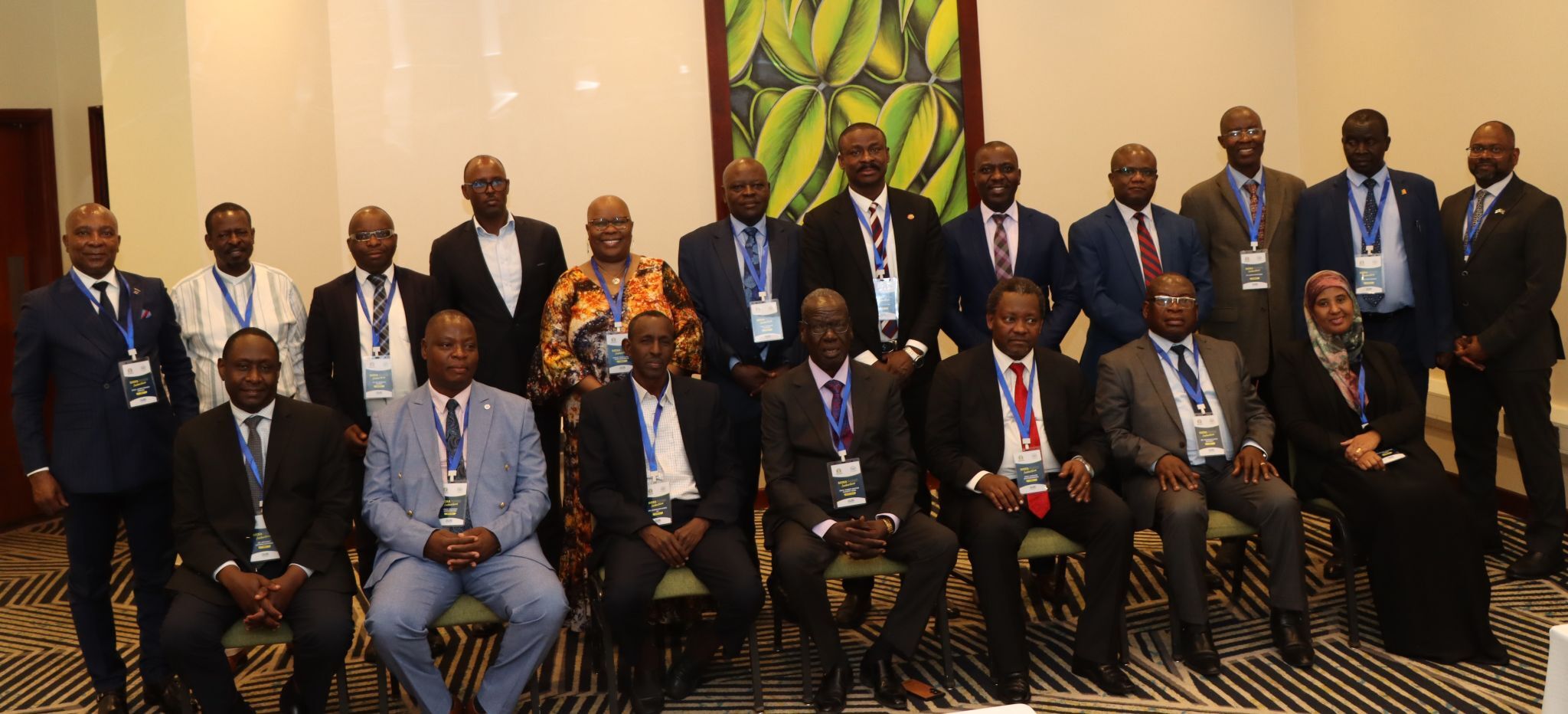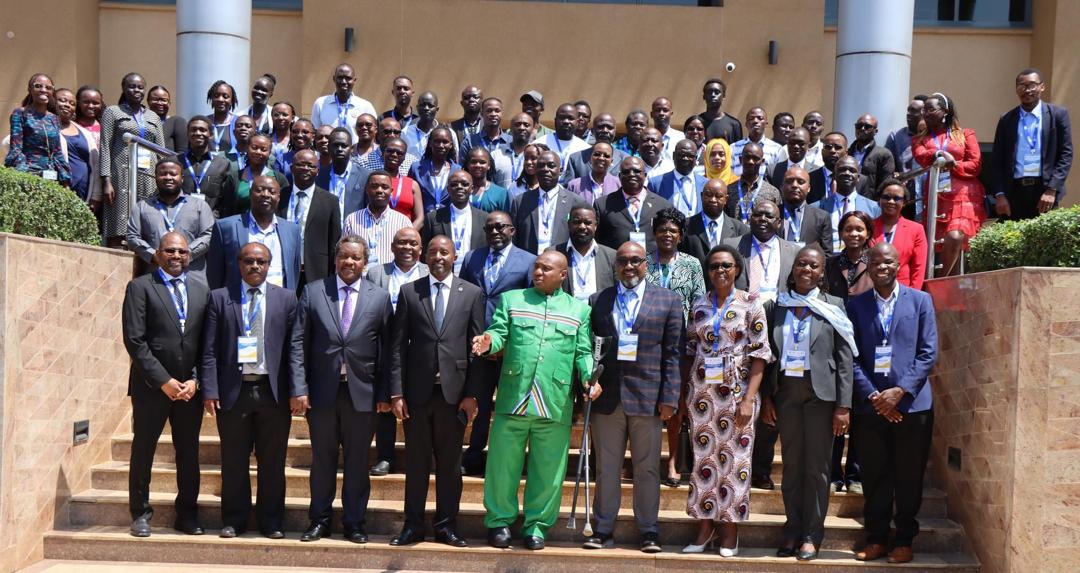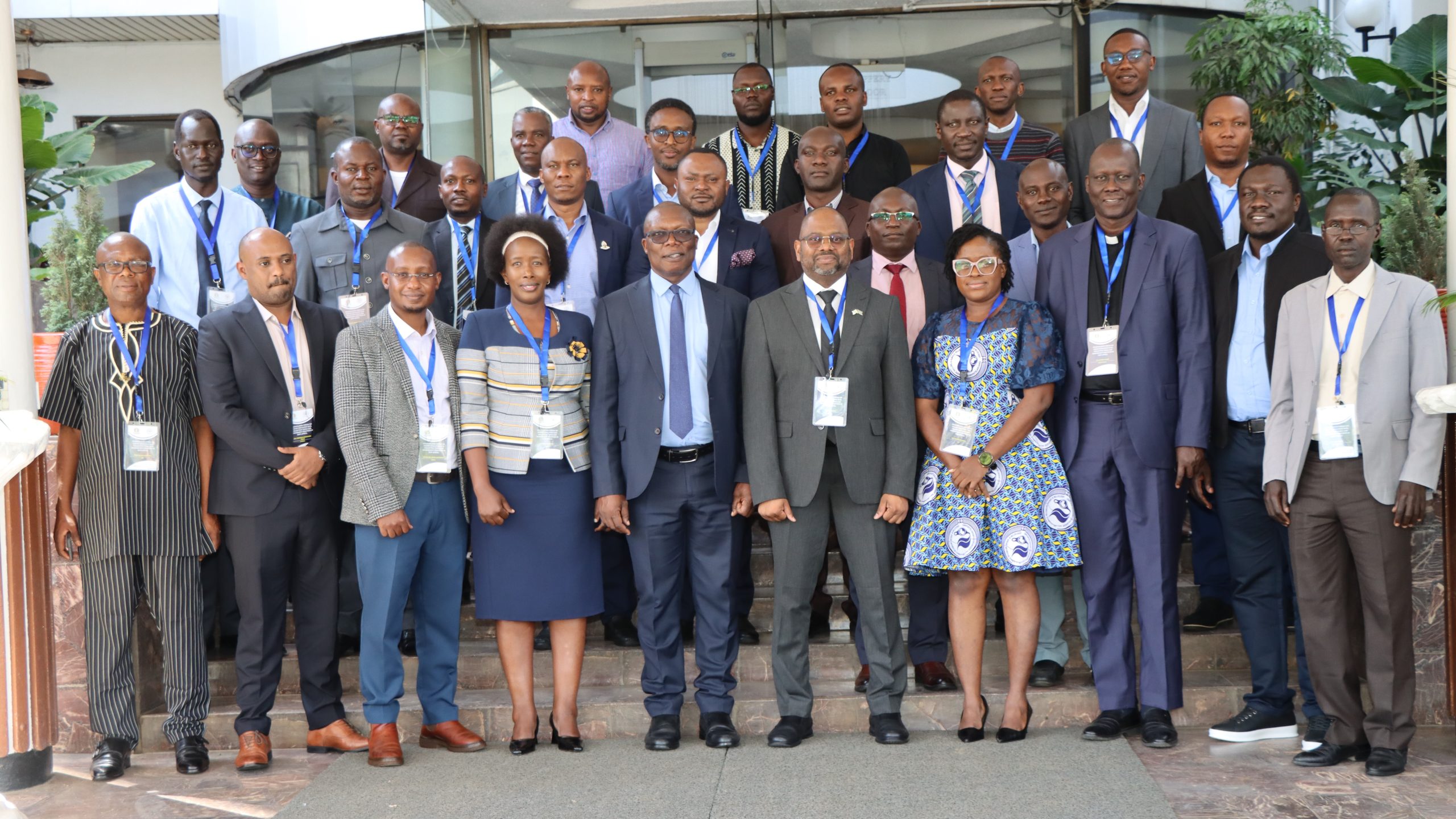
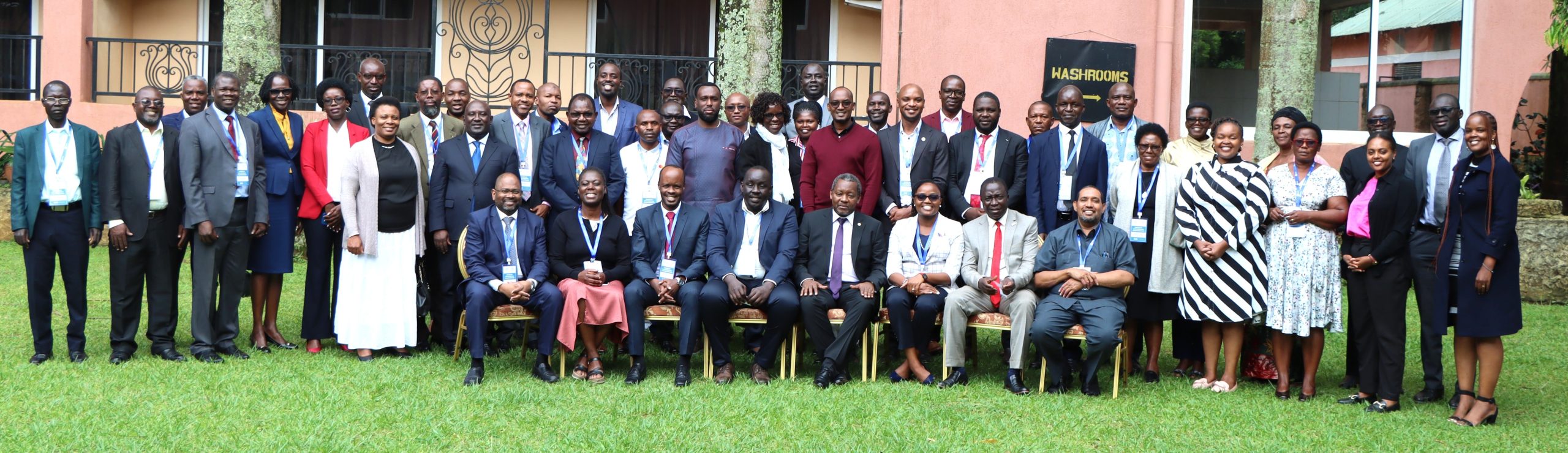
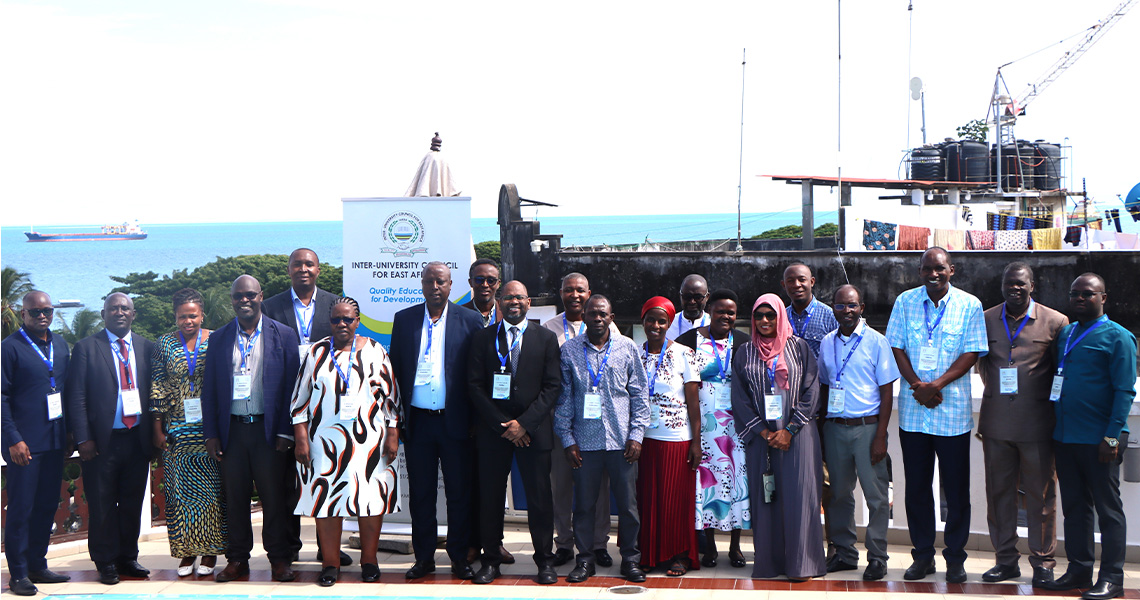
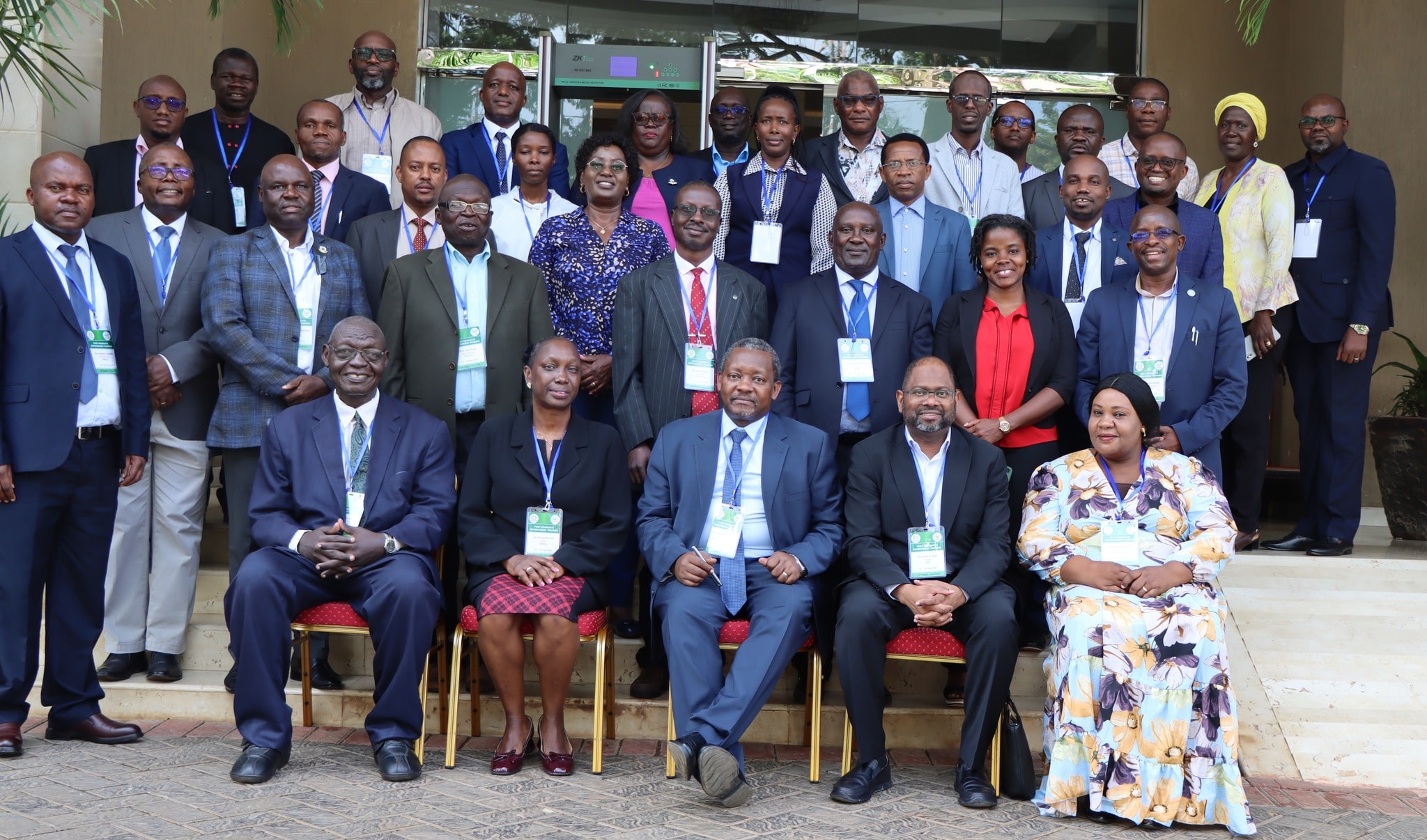
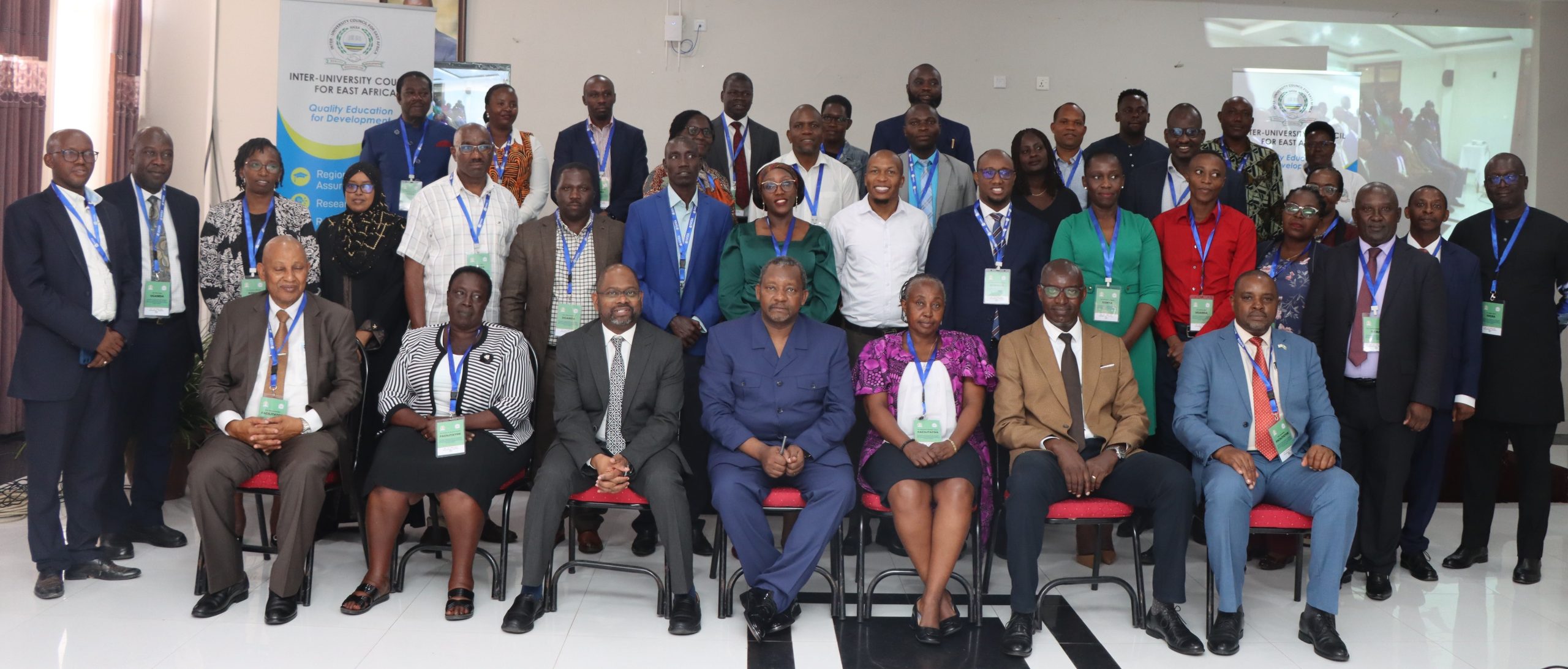
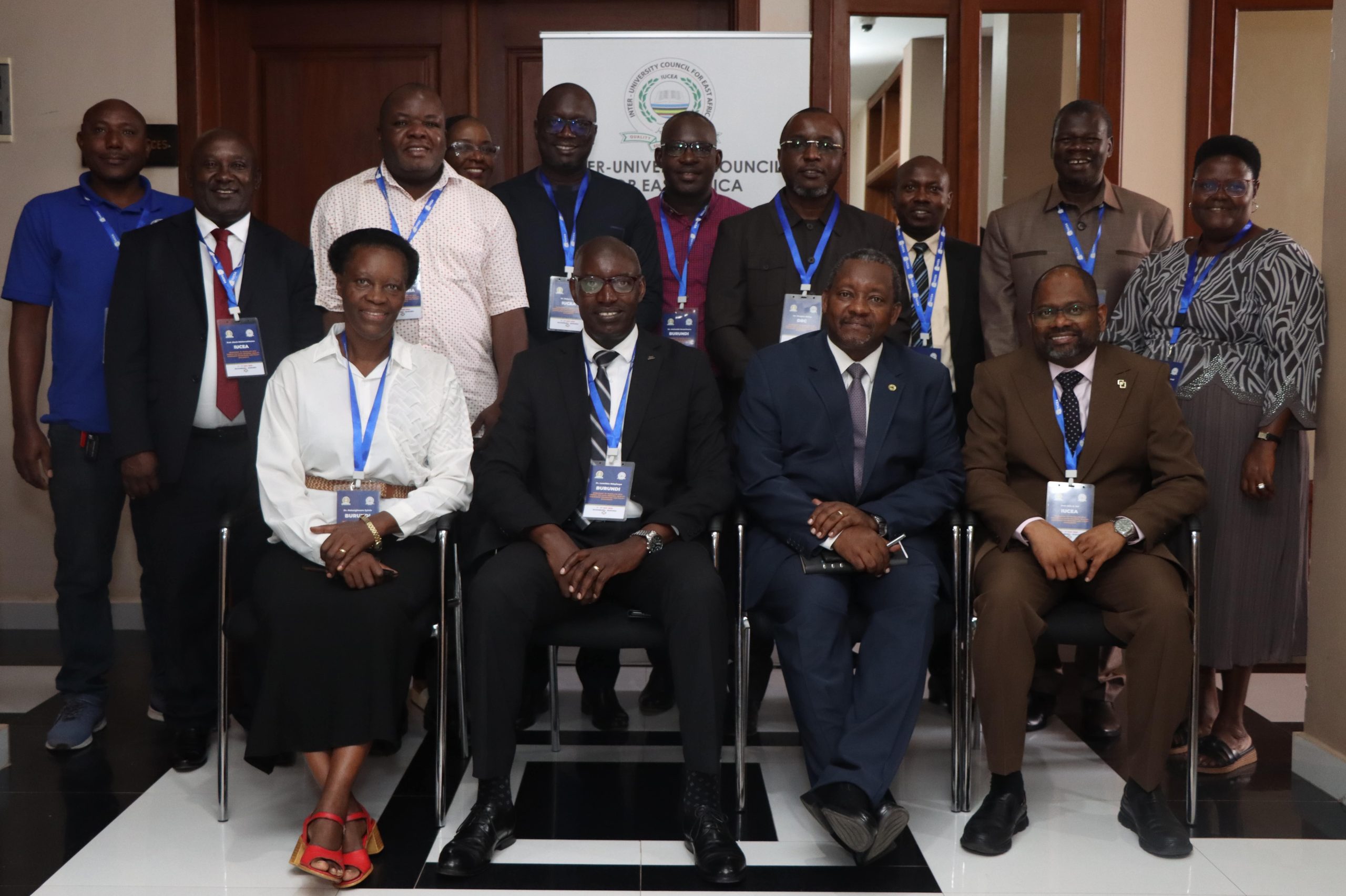

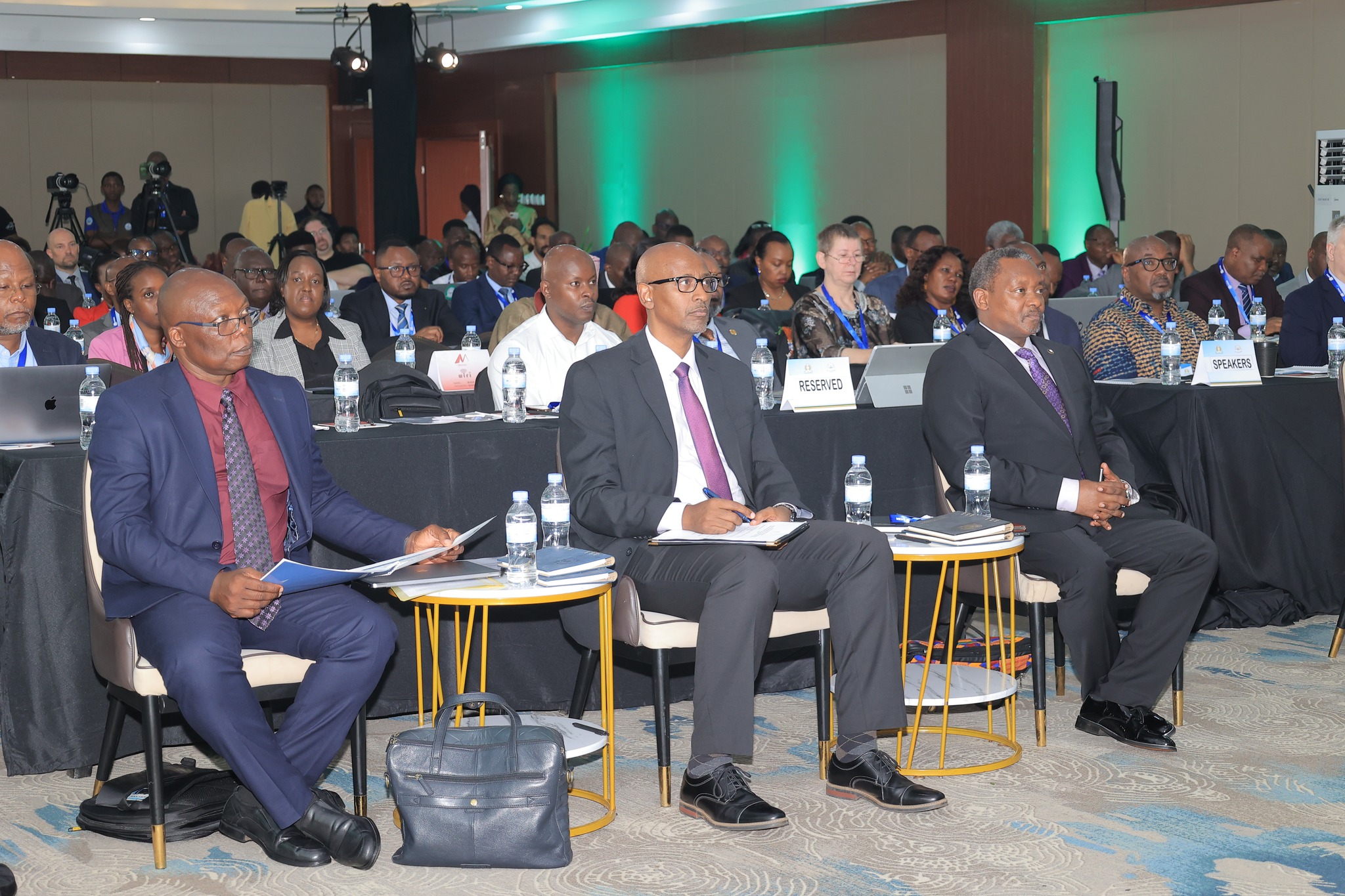
The Inter-University Council for East Africa (IUCEA) in collaboration with The United Nations Economic Commission for Africa (UNECA) brought together researchers, expertise and practitioners from the East African region (Uganda, Kenya, Tanzania, Rwanda and Burundi) for a two-day workshop on the theme “Enhancing East African Research Excellence through an ICT-Enabled Network and Observatory” to discuss and launch a network which will promote, coordinate, fund, consolidate and represent East African research and researchers both locally and internationally. The workshop took place at Munyonyo Speke Resort on 22nd -23rd February 2010. UNECA funded the workshop.
The objectives of the workshop were to:
Share experiences on how R&D is promoted, networked, coordinated, funded, consolidate and represented within the East African region
Propose the EANRE concept and EANREO terms of reference
Discuss and ratify the EANRE concept and EANREO terms of reference
Bring together East African scientists, researchers, practitioners, policy makers, public and private organizations to discuss pertinent issues on R&D outputs and evidence
Collect requirements for development of the EANREO
Get first hand accounts of the operations of the existing research networks in East Africa
Propose modus operandi of the EANRE and EANREO
Launch EANRE and EANREO
In his opening remarks Prof. Chacha Nyaigotti-Chacha, the Executive Secretary, IUCEA applauded the pride that IUCEA takes in organizing regional deliberations and stressed the need for research as a pillar for any university and organization wishing to innovate. He however pointed that a lot of research was going on within the East African region but little knowledge of it was evident. He thus emphasized the need to share research findings and evidence within the region. He emphasized the need to share our research efforts before looking outside the region. As such, he justified, the holding of this falls directly within the mandate of the IUCEA arising from the recently enacted Act. He stressed that the current global trends demand a lot of networking in order to gain more from research. For instance, in a network, he said resources and efforts at the disposal of the network partners can be combined and cross-fertilized for the mutual benefit of the partners. Further, he continued, “research collaboration averts intellectual isolation, increases opportunities for research funding, erases individual institutional deficiencies and provides avenues for capacity building.
On the network structure, Prof. Chacha proposed that the network could be composed of individual researchers, institutions or a combination of these. At university level, he emphasized, the network could assist in leveraging resources from well-established universities in the region for purpose of supporting young universities. He said there was country level research networks in existence and the EANRE would build on these experiences so as to find common solutions to research output and evidence sharing within the region.
Outlining the role of the Council, Prof. Chacha said that the IUCEA is now guided by a five year rolling strategic plan (2006/07 – 2010/11) under which strategic alliances have been formed to execute several projects aimed at fostering research and networking among member universities. He mentioned three key areas related to EANREO objectives as:
Coordination of inter-university cooperation geared to encourage collaboration in regional research and thereby assist universities to develop centres of advanced study and research on a rationalized basis;
Facilitation of the strategic development of member universities focusing on assisting member universities with academic staff development activities, and to collect, classify and disseminate information on higher education and research in East Africa;
Control and promotion of the quality of higher education for common regional development for promoting the development and application of a harmonized higher education quality assurance framework in order to ensure that teaching and research achieve and maintain international standards.
On her part, Ms. Aida Opoku-Mensah, the Director, ICT Science and Technology Division of UNECA, started by paying tribute to the partnership between ECA and IUCEA. She applauded ECA and IUCEA for spearheading the development of EANRE because R&D is very critical to any country’s development. She said African researchers produce knowledge but do not own it. Research produced in Africa by African is patented in the Western world. She attributed the limited contribution of Africa to the body of World researchers to the limited visibility of African research output within Africa. To address the issue of visibility of African research outputs and evidence, Ms Opoku-Mensah suggested four major interventions as:
Increasing support for R&D and making sure that the outputs from this support does not stay on the shelf;
Devising means of working with technology transfer offices;
Linking research outputs with entrepreneurship; and
Supporting knowledge transfer networks. This way research shall address day to day challenges of businesses and hence be relevant to the business community and common man/woman.
To illustrate the appalling state of knowledge inaccessibility, Ms Opoku-Mensah referred to the Webometric University Rankings in which only the University of Cape Town on the African Continent appears in the top 100 universities in the World. She said a network of EANRE’s kind is very critical in bringing East African universities forward. “For the network to distinguish itself in the World, we must be self analytical of what we want to do and we must put in place indicators of what we want to do and how we shall measure and review them”, said Ms. Opoku-Mensah.
She cautioned the workshop against thinking of funding first before undertaking ground work. When the ground work is carefully done, she said, “Donor funding can easily be secured”. However, the problem with donor funded research, Ms Aida Opoku-Mensah cautioned, was inability to have African led research. Donors come with their research agenda which we judiciously execute but at the end of it all, it doesn’t belong to us. In most cases such research doesn’t speak to our needs. It is not African problem oriented. We thus need to re-orient our mindsets and start thinking of African led research. To boost the demand for our research outputs, quality has to be assured. When research quality is ensured in the network, it can register successes.
In a bid to promote African led research, Ms Aida Opoku-Mensah, informed the participants of the forthcoming Science Conference in June, 2010. The conference focuses on the concept of innovation in development work. It answers questions such as, how can Africans innovate in development? How can we support Africa’s patents? How can Africa’s financial institutions support R&D? This conference promises to be an exciting event, she said. She concluded by expressing ECA’s interest in the outcomes of the EANRE.
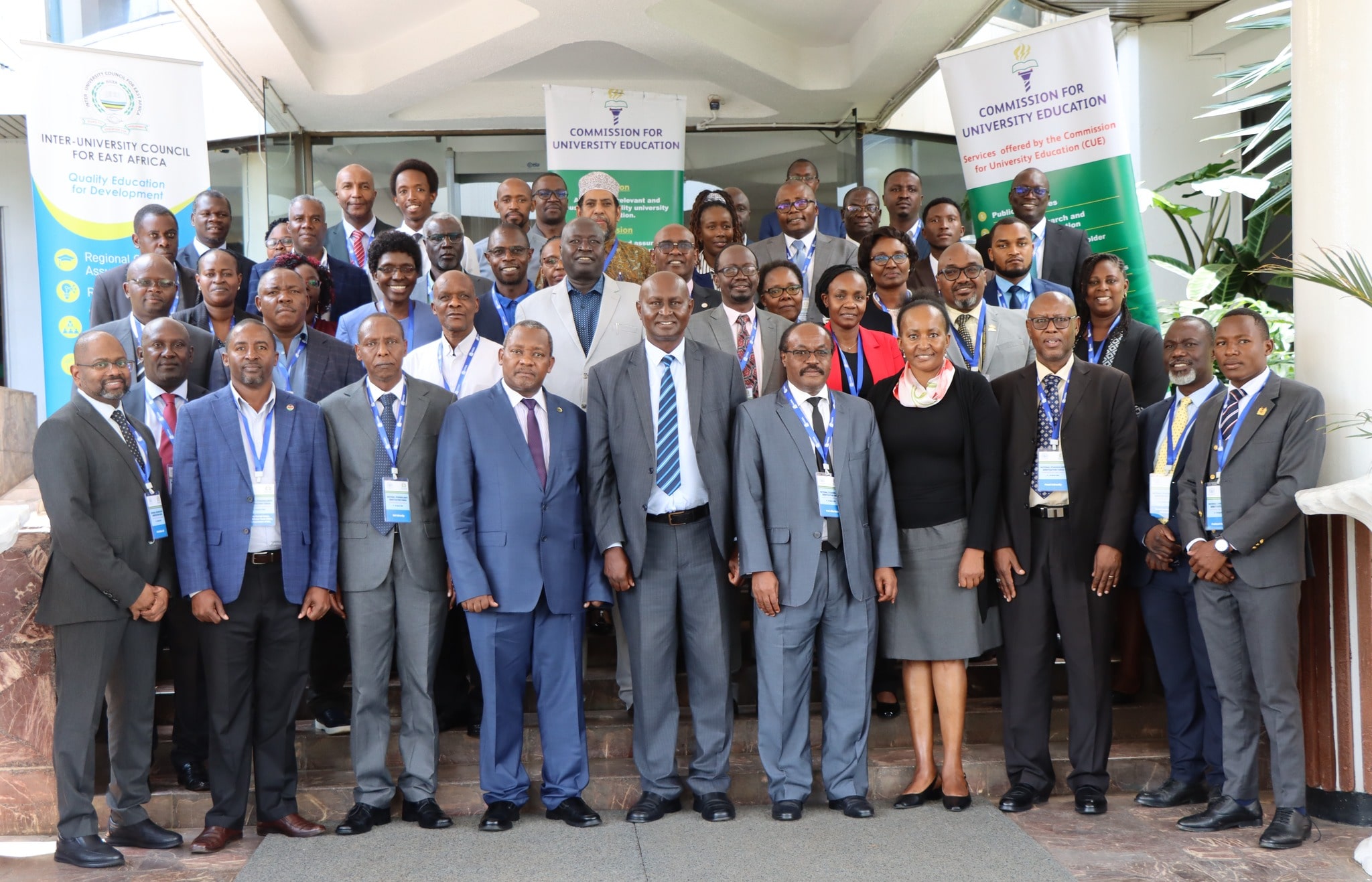
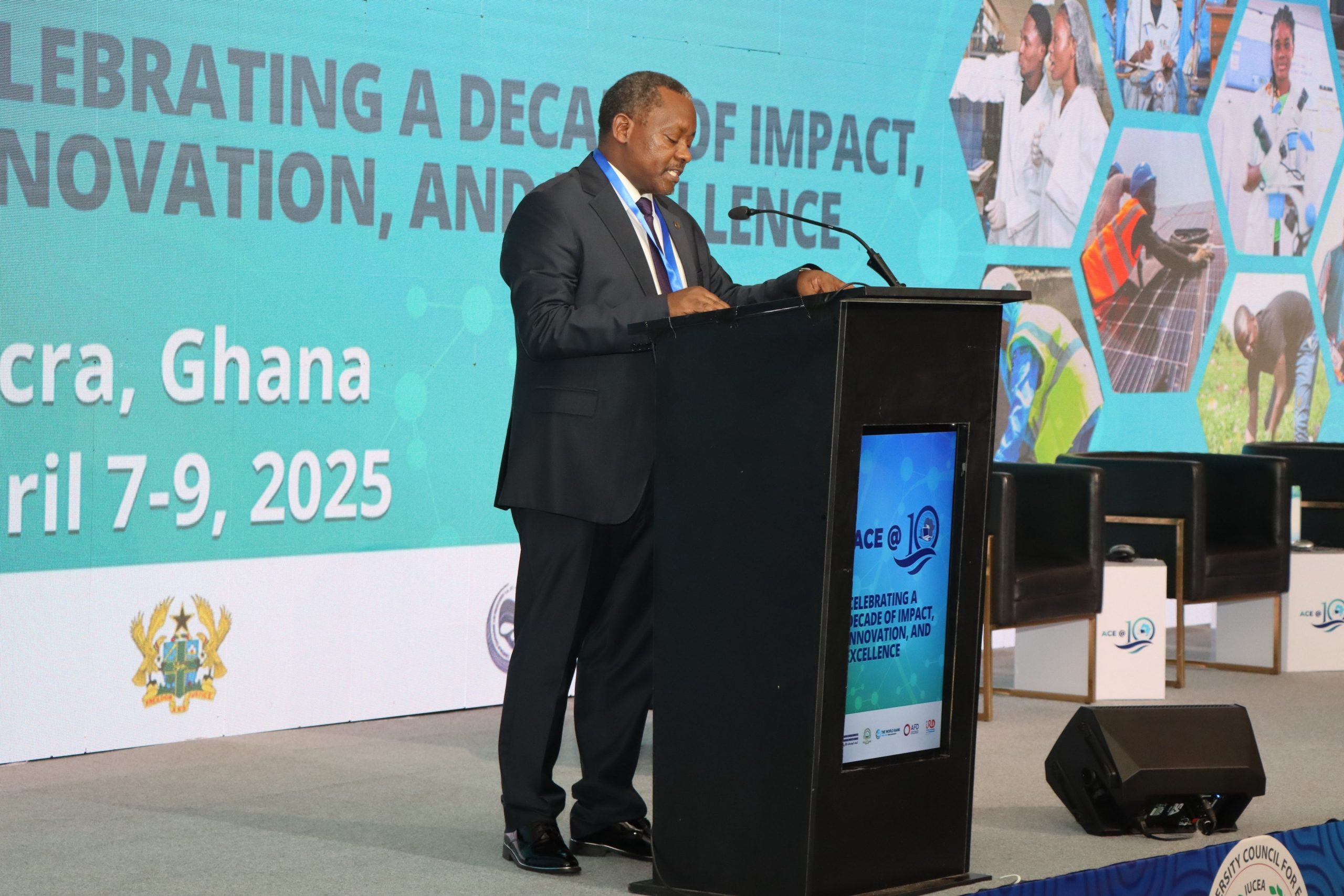
The a keynote address, titled “The role of collaboration in technological advances”, was presented by Prof. Idris Rai, who represented the acting Vice-Chancellor Makerere University, Prof. Venansius Baryamureeba.
Prof. Rai suggested some steps for establishing a research network. These include: mitigating known challenges, putting in place a well thought out plan, setting ambitious goals particularly in providing regional leadership in research, assembling critical mass of resources and expertise and ensuring that the network is fully owned by all its stakeholders within the region. He suggested the need for partners to have a common belief and commitment to the idea of developing a research network.
Prof. Idris Rai stressed the increasing role of collaboration in research. He said the natural consequence of any network is collaboration and that collaboration fosters multi-disciplinary research that usually leads to better and hybrid solutions. Prof. Idris Rai said that at World class level, research undertaking was increasingly becoming difficult and thus required collaborations amongst academics institutions and between academic institutions and private sector. He thus stressed that the EANRE was a welcome idea towards achieving the World trend in research undertaking.
With a vision of: “Being the leading one stop centre for the formation of research relationship and collaboration among academics, researchers, practitioners, industrialists and organizations with aim of fostering knowledge creation, collaborative information sharing and advancing innovation within East Africa”, the network’s objectives are:
To provide an avenue for linking up prominent academics, scientists, researchers and technologists within the East African region with the aim of creating and enhancing research relationships and collaboration.
To facilitate East African prominent academics, scientists, researchers and technologists to set up various types of academic and research relationships (e.g. joint research, advice and consultancy, postgraduate supervision, training, etc.) with prominent academics, scientists, researchers and technologists from all over the world.
To enhance interaction between the world of policy research and policy making to contribute to a better informed decision-making process of the East African policy makers – multilateral, regional and national bodies.
To leverage on the expertise and experience of the members of the EANRE so as to enhance the scale and standard of East African academic and research activities, and thus be part of the World-wide Brain Gain initiative.
To assist East African academics and researchers in forming strategic partnerships with other established education and research institutions worldwide.
To provide independent policy analysis on issues of common concern for East Africa, such as peace and security, governance, human rights, democracy, the rule of law, reform of multilateral institutions, climate change, energy, trade and regional integration, pandemic diseases, migration, science and technology, and other key political and development issues.
To encourage co-operation and partnerships between policy research institutes in the East African Region with a view to explore innovative ways of improving joint responses to common problems and to develop the institutional capacities of the network members, so as to reduce asymmetries between East African member country policy research capacities
To seek for funding and research grants from allover the world for East African researchers with the view of encouraging across the boarder research collaborations.
To increase public awareness on issues concerning East Africa’s research within the academic world, the broad diversity of NGOs and civil society stake-holders, the private sector and the media.
To consolidate all East African research, researchers, research groups, research centers with the aim of developing cross cutting blended research programs for the entire region hence increasing the research standards and ownership of the research outputs.
To establish regional avenues for undertaking and disseminating East African research without inconveniencing so much the academicians, researchers and practitioners.
Optimize use of resources and to coordinate interregional connections of the researchers, practitioners, industrialists
The areas of research interest shall depend on the academic and R&D interests of East African member states. The participants also discussed issues regarding to publications, EANREO membership and its organization and management. The participants supported the idea of forming an East African Network of Research Excellence (EANRE) and Observatory (EANREO). According to them the networking and collaborations emanating from these collaborative ventures will be instrumental in increasing R&D outputs, evidence and impact within the East African region.
MS. Aida Opoku-Mensah, the Director ICT Science and Technology Division, UNECA
The IUCEA is partnering with seven European institutions in a collaborative project aimed at creating, developing and strengthening a social sciences and humanities research network bringing together scholars and institutions from the European research area with colleagues and partner institutions from a number of eastern African countries. Read on
The Lake Victoria Research Initiative (VicRes) is a regional research initiative that offers research grants in various disciplines related to promotion of poverty eradication and sustainable livelihood and natural resources management within the Lake Victoria Basin.Read on ...
The East African Regional Programme and Research Network for Biotechnology, Biosafety and Biotechnology Policy Development (BIO-EARN) aims at meeting the challenges of wider biotechnology, and realizing the potential of the associated techniques under local conditions in Eastern Africa. Read On ...