
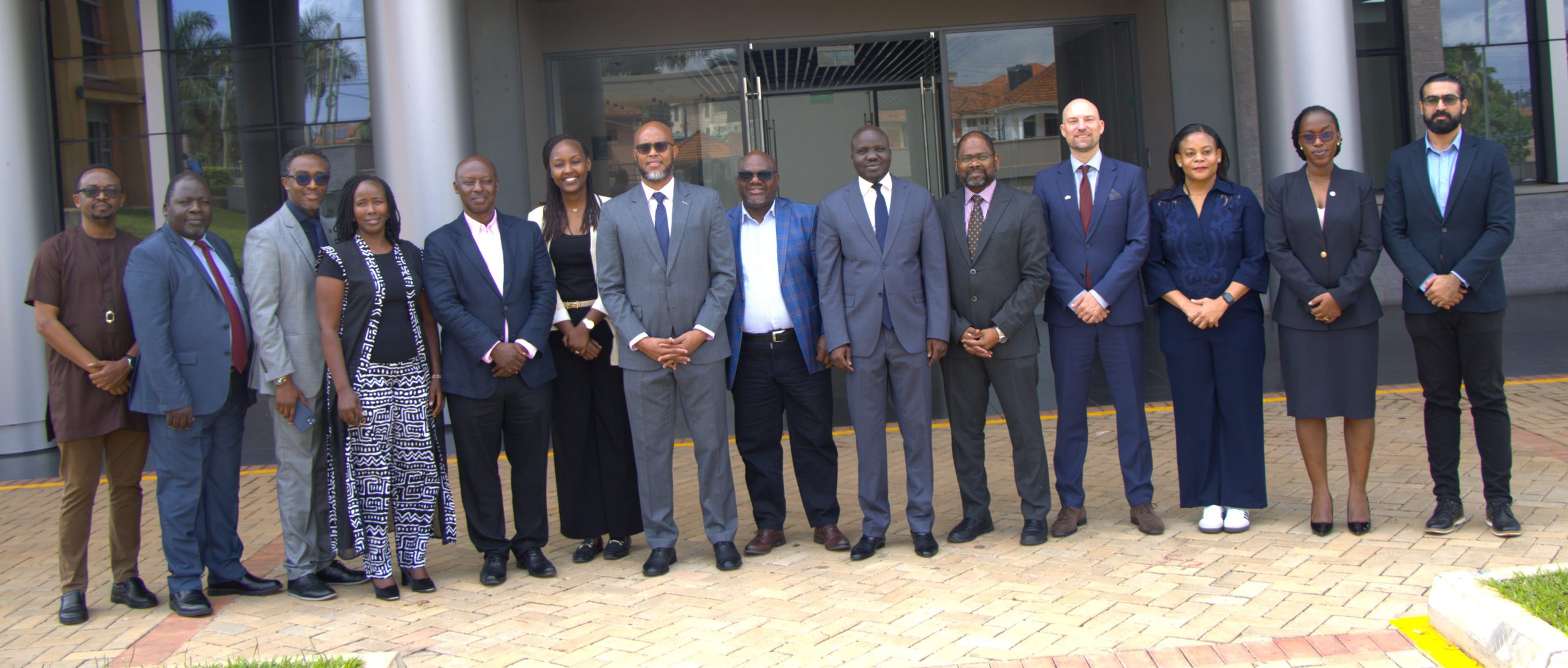


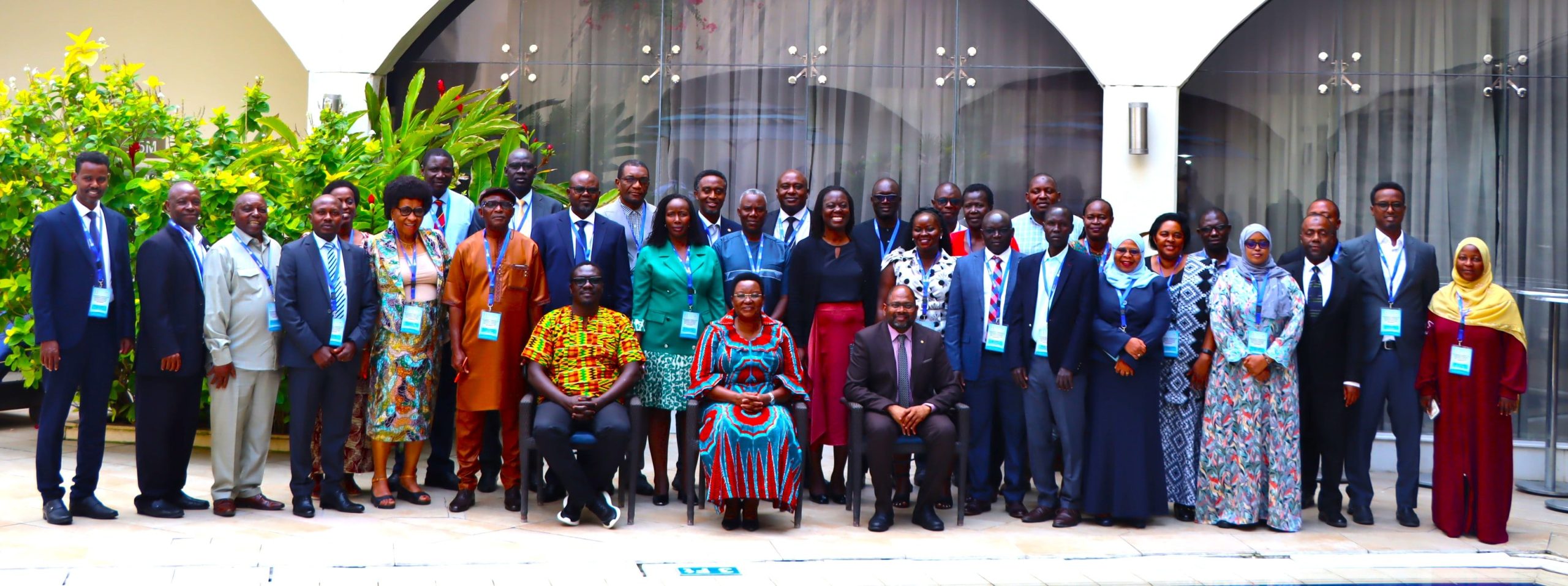
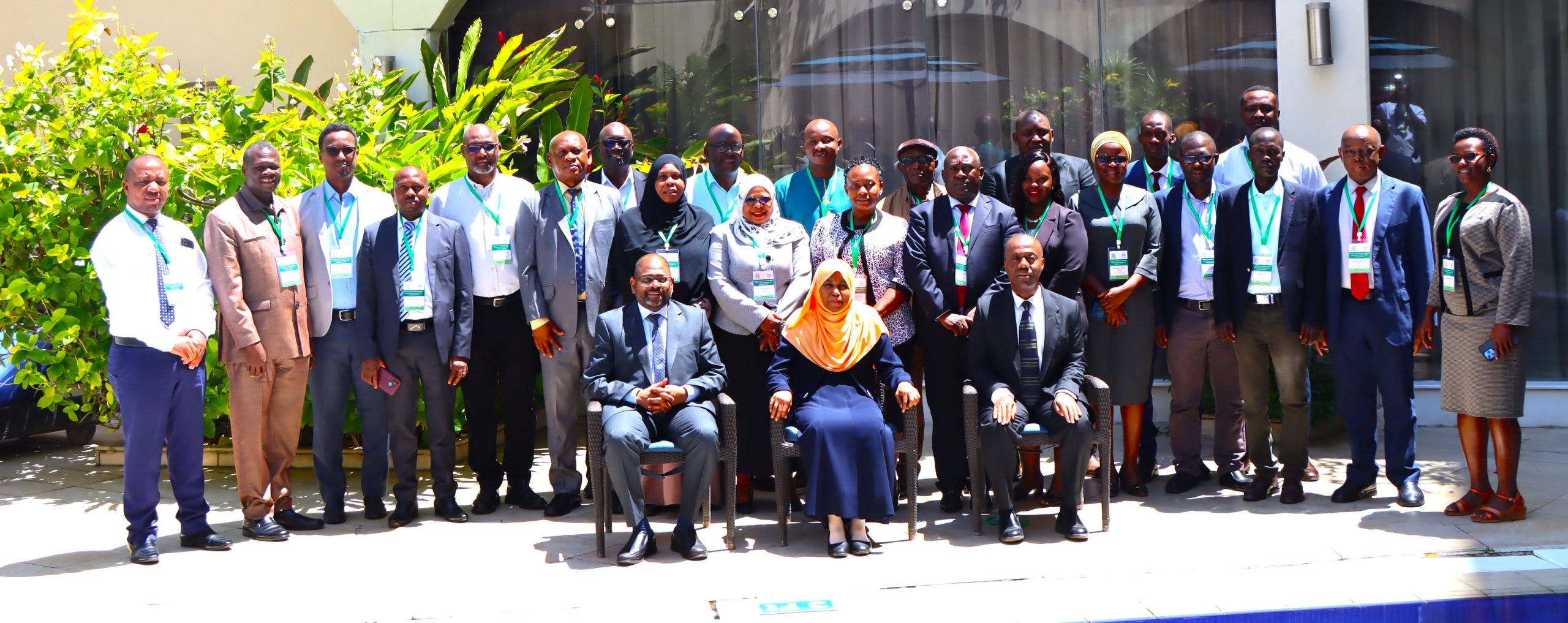
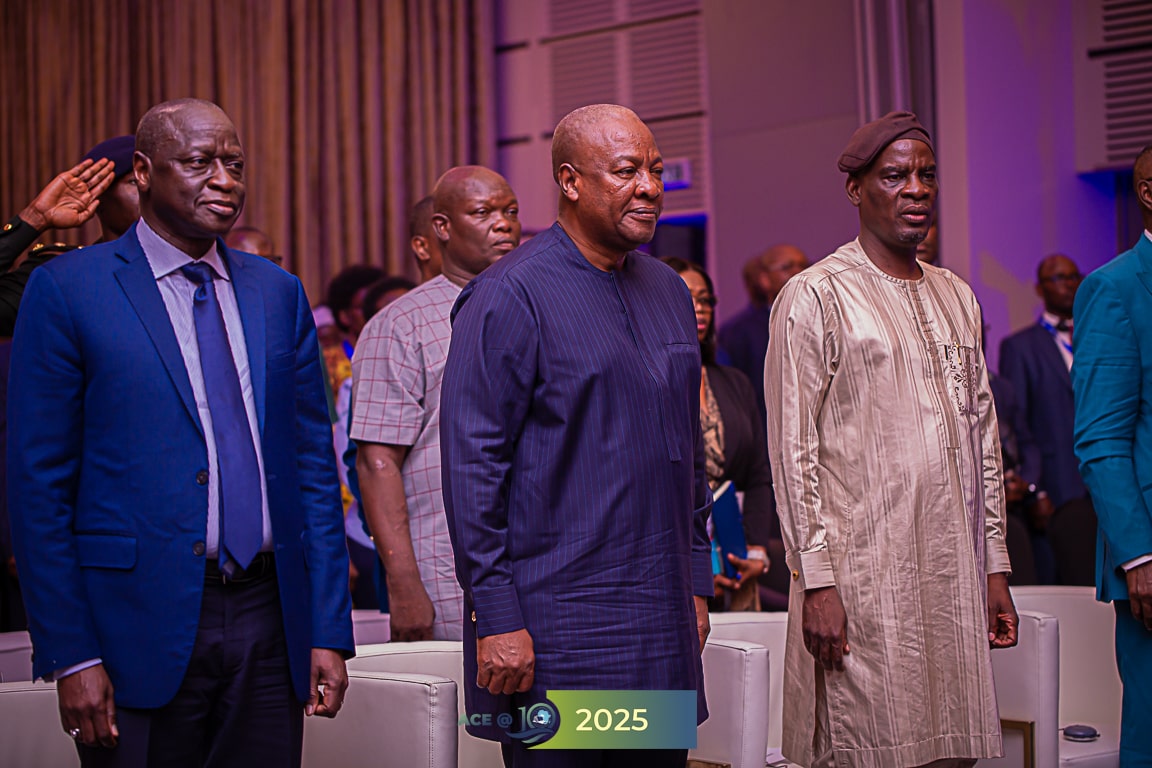
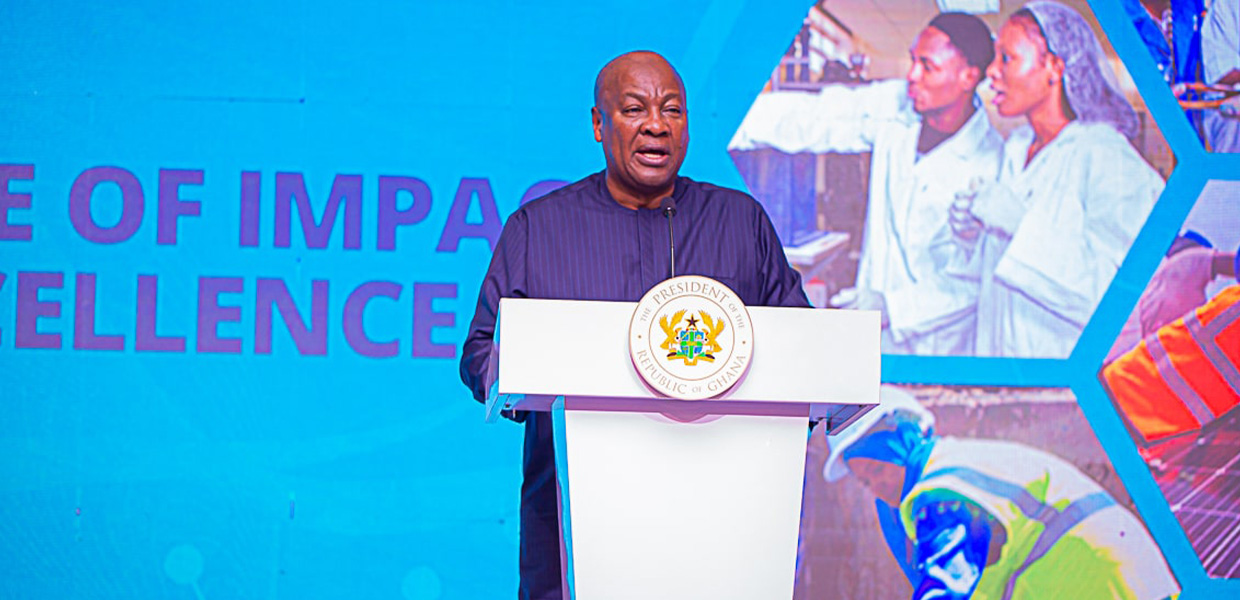
His Excellency, John Dramani Mahama, President of the Republic of Ghana
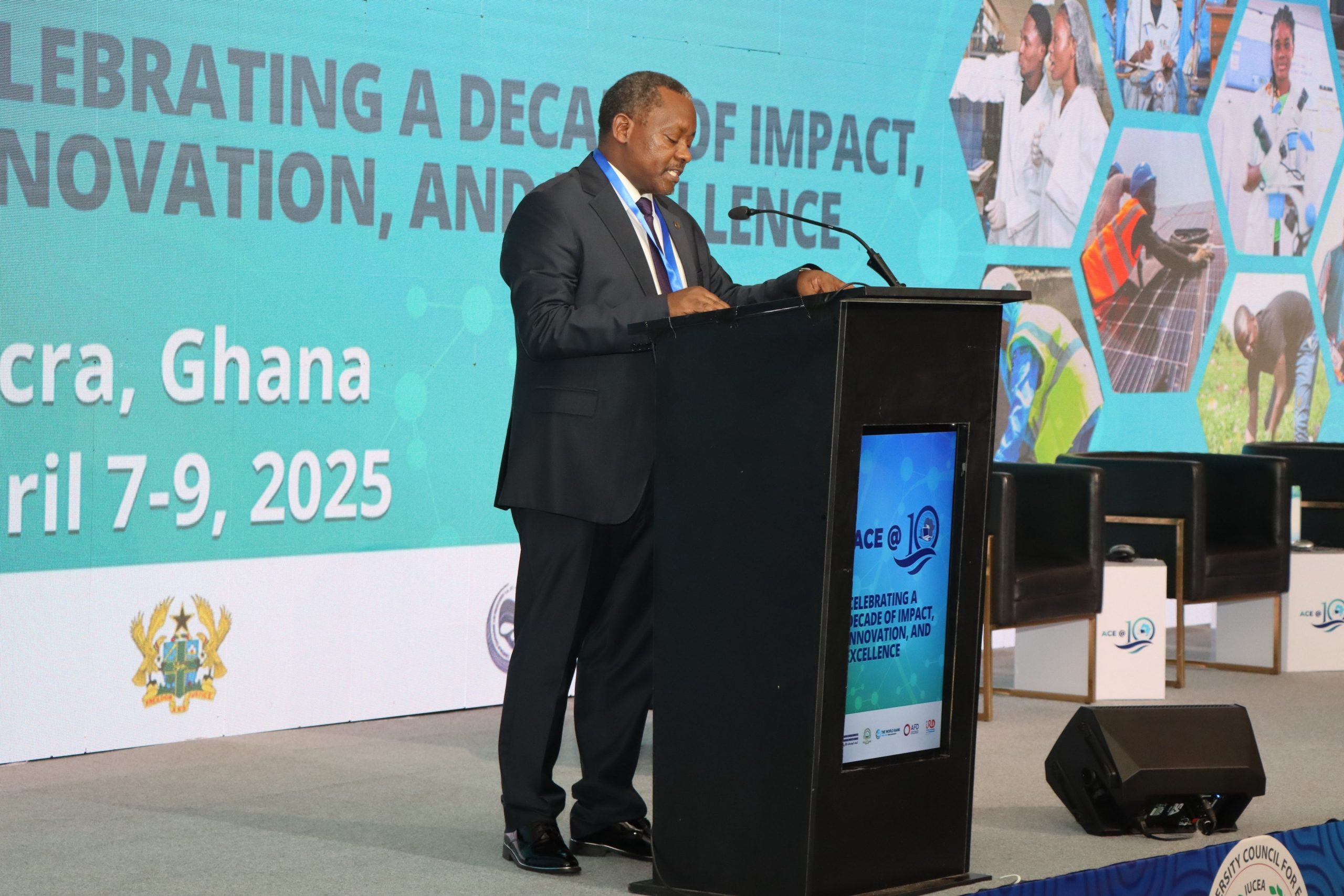
Hon. Haruna Iddrisu, Minister for Education, The Republic of Ghana
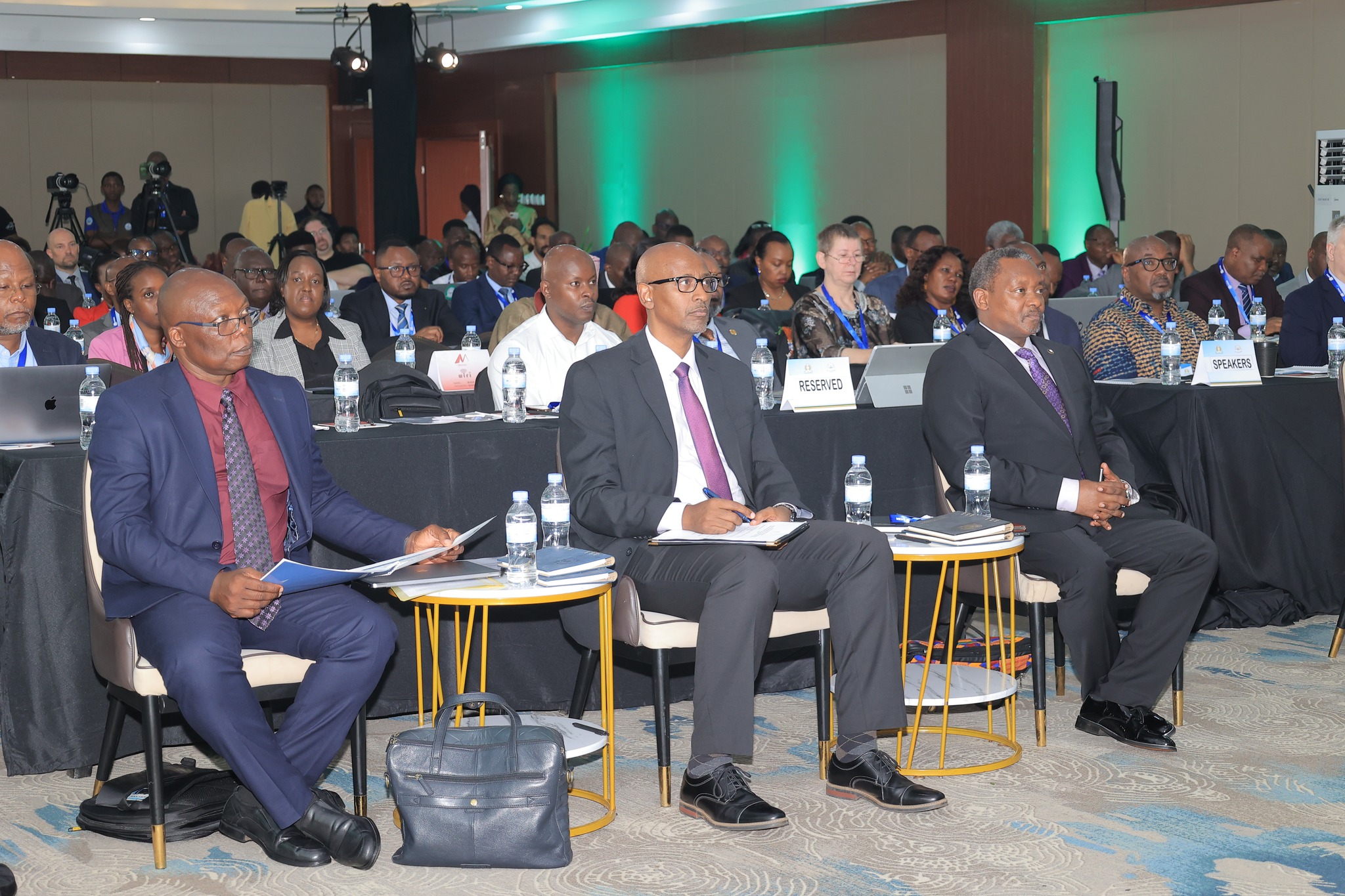
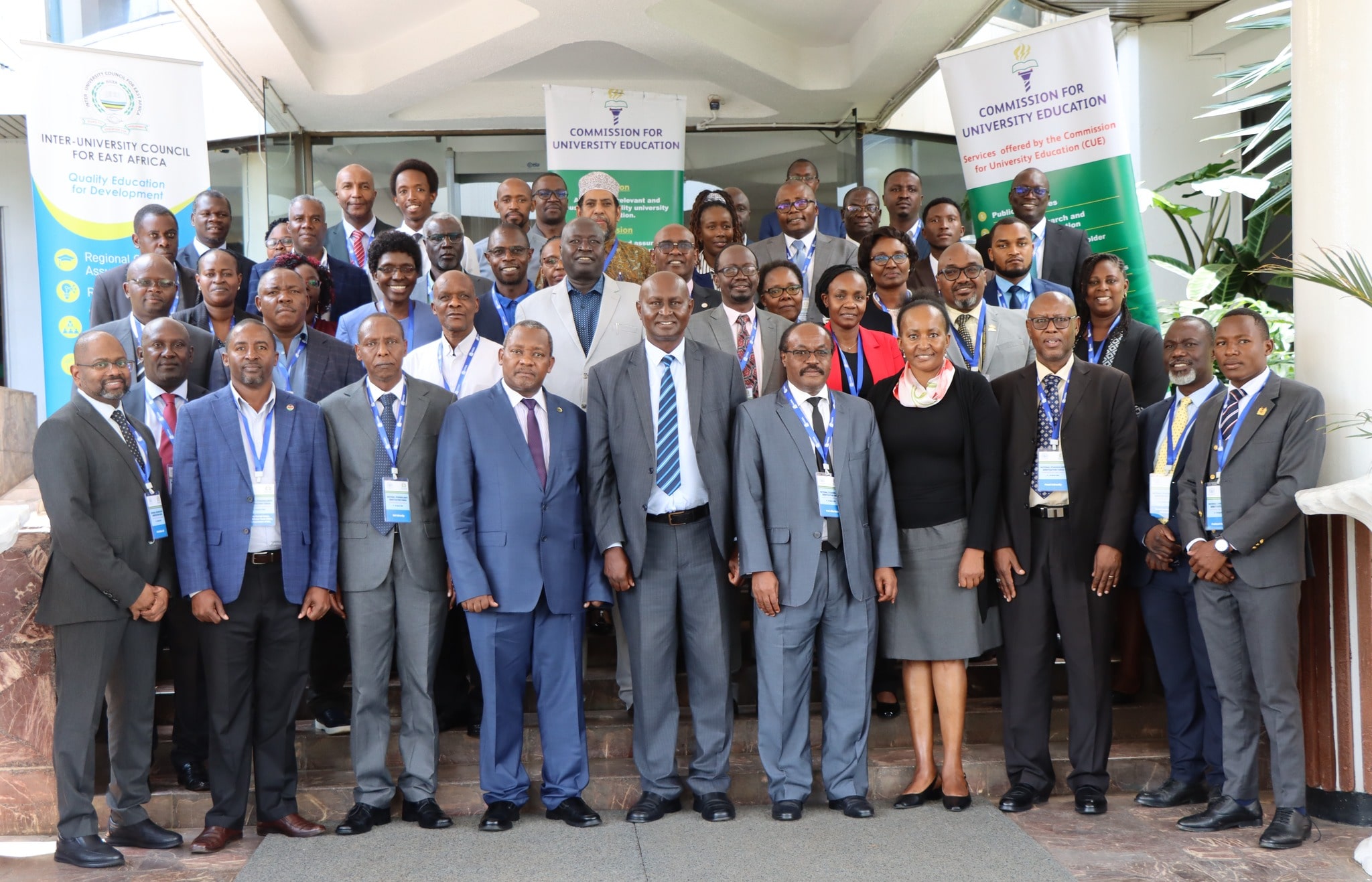
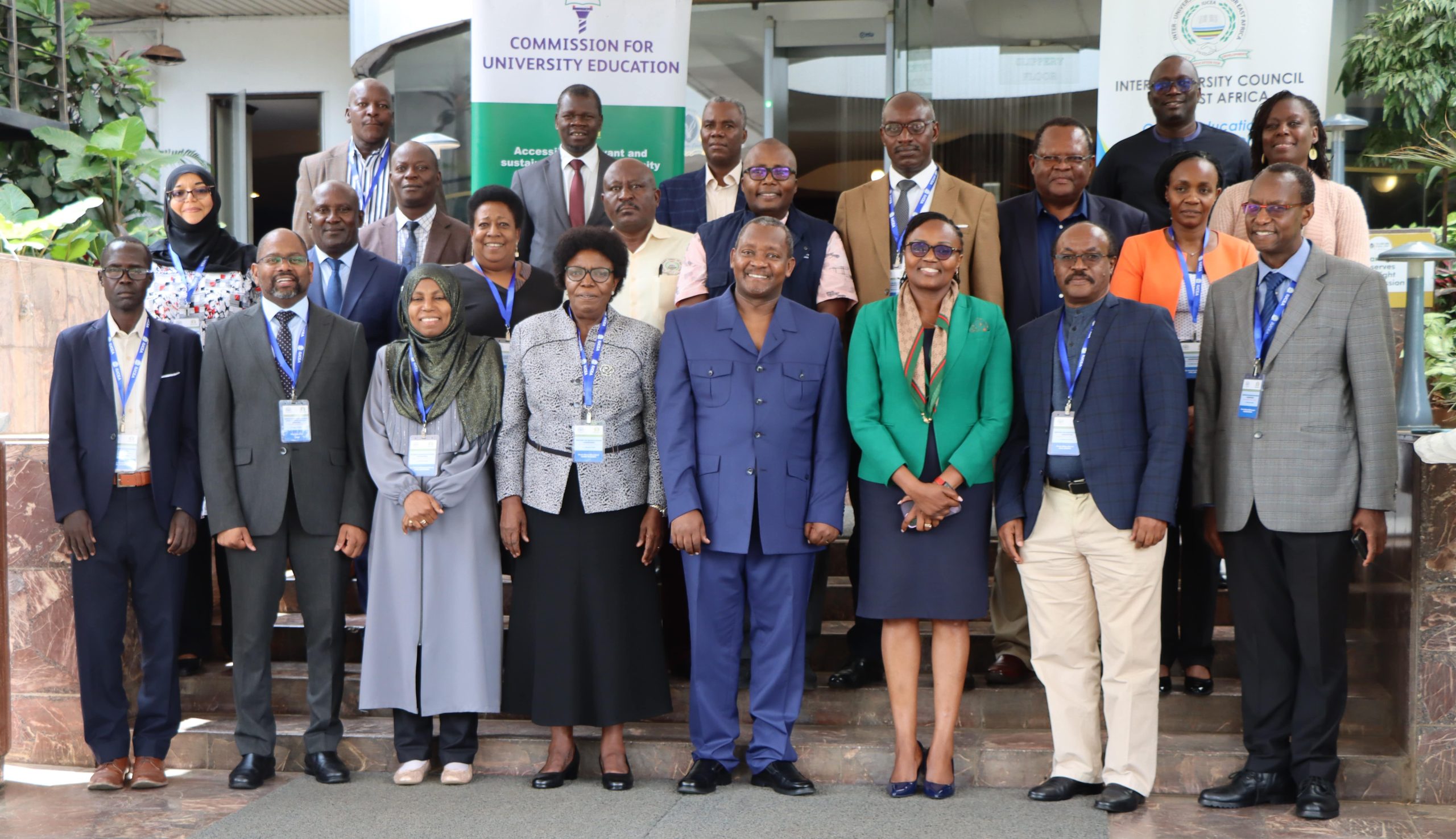

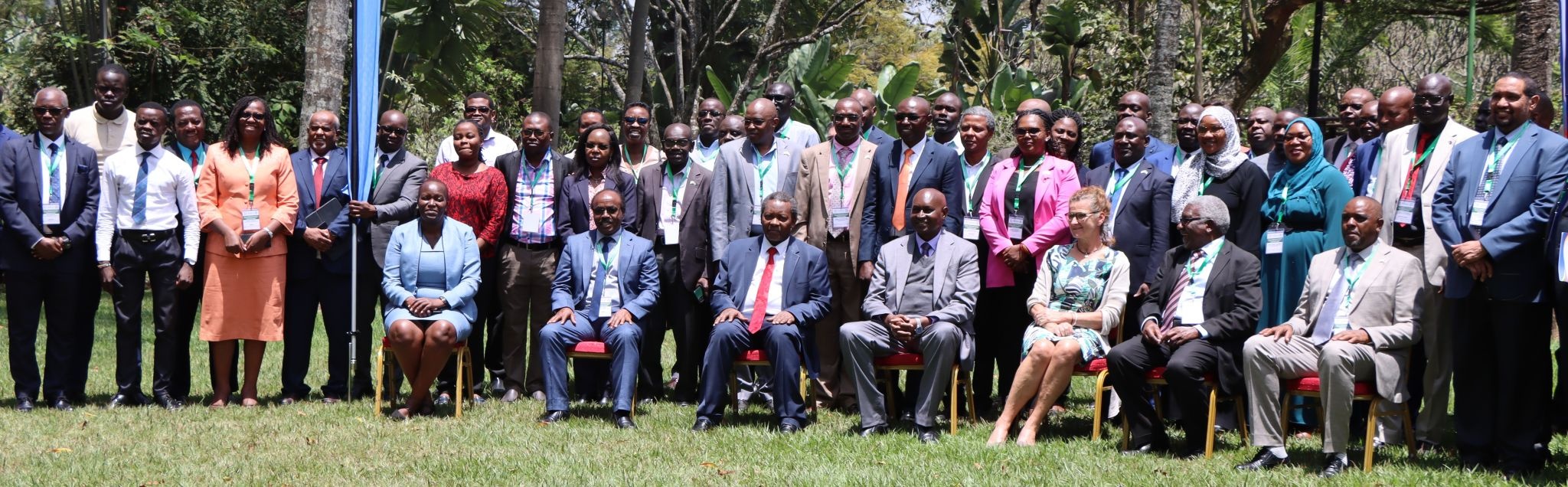
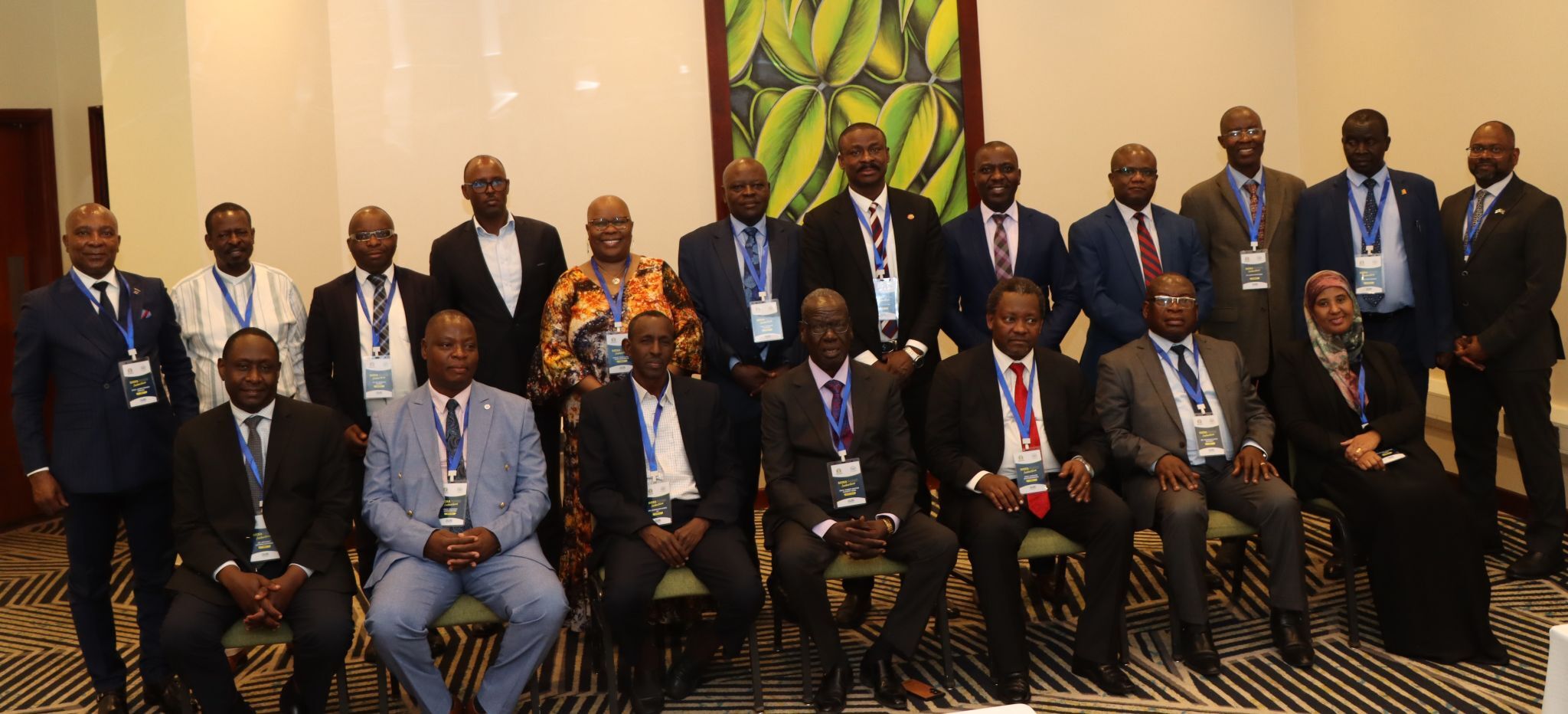
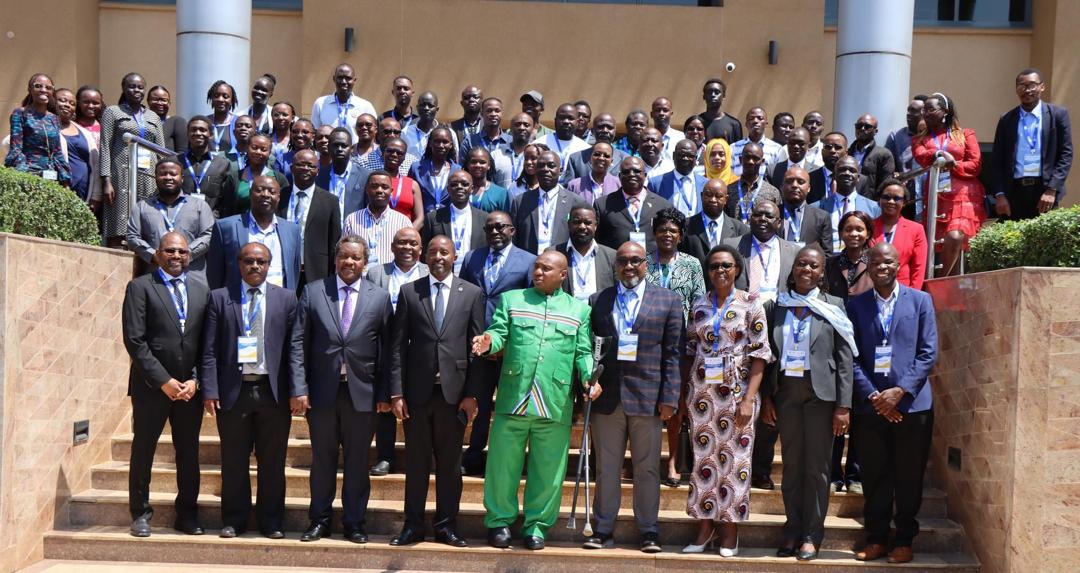
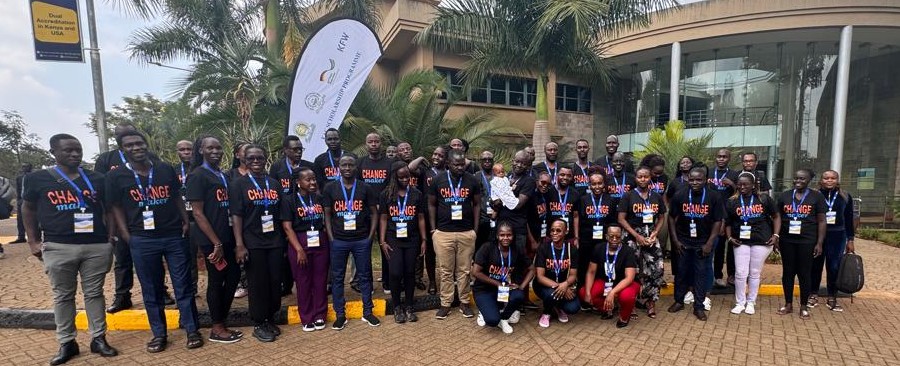
during EAC-Scholarhsip Programme Summer School Tour at USIU-Africa on the 17th of October 2024.
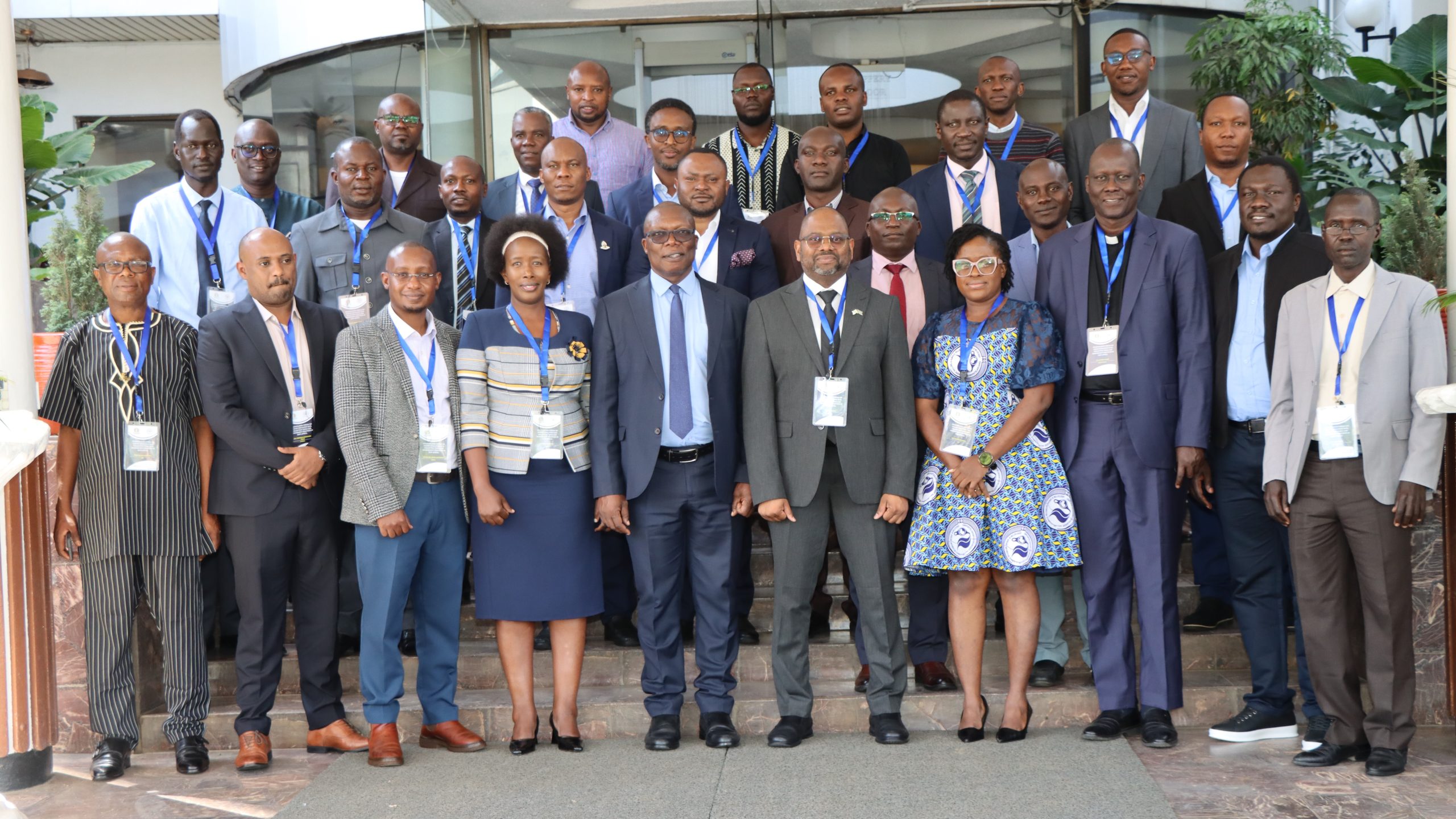
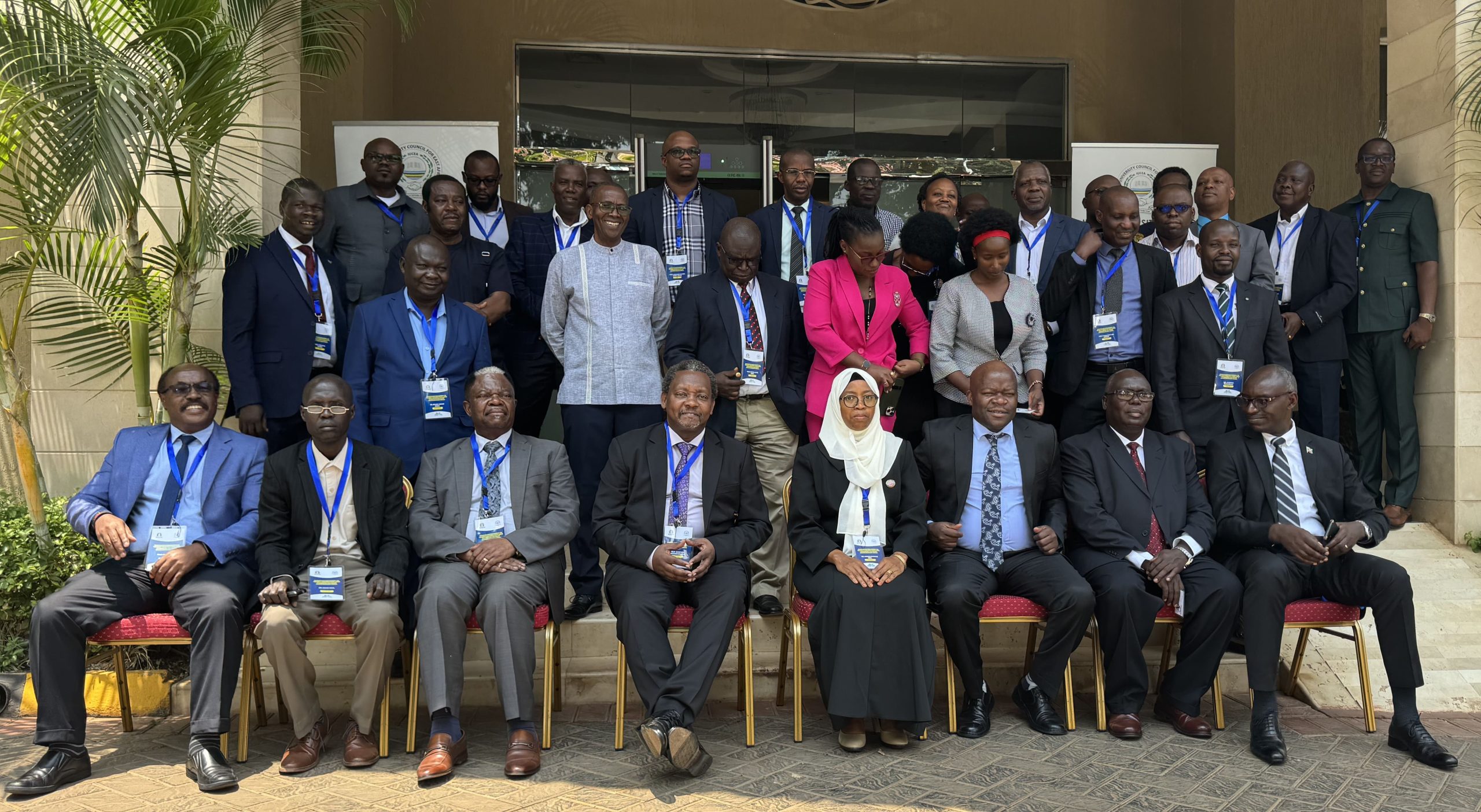

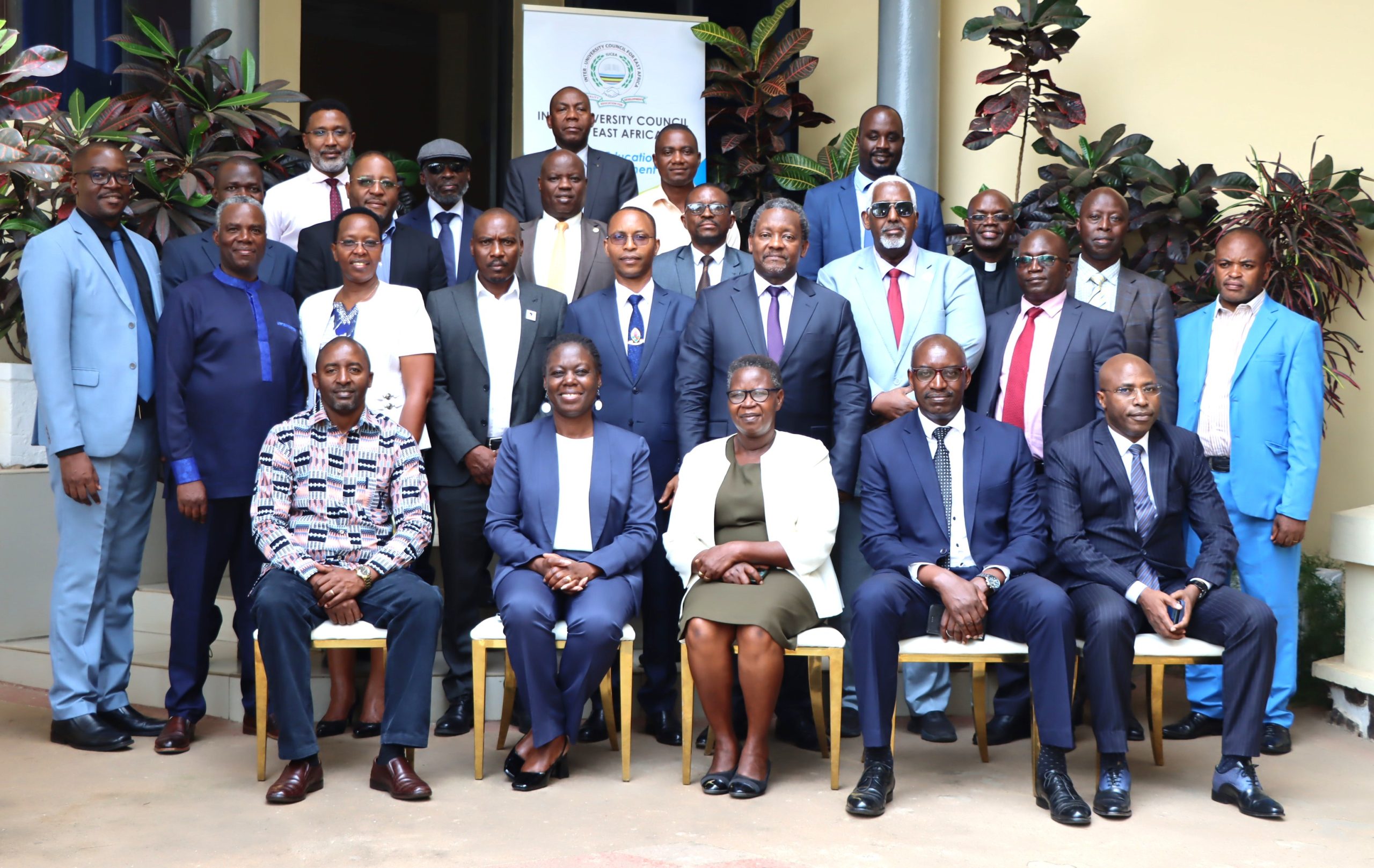
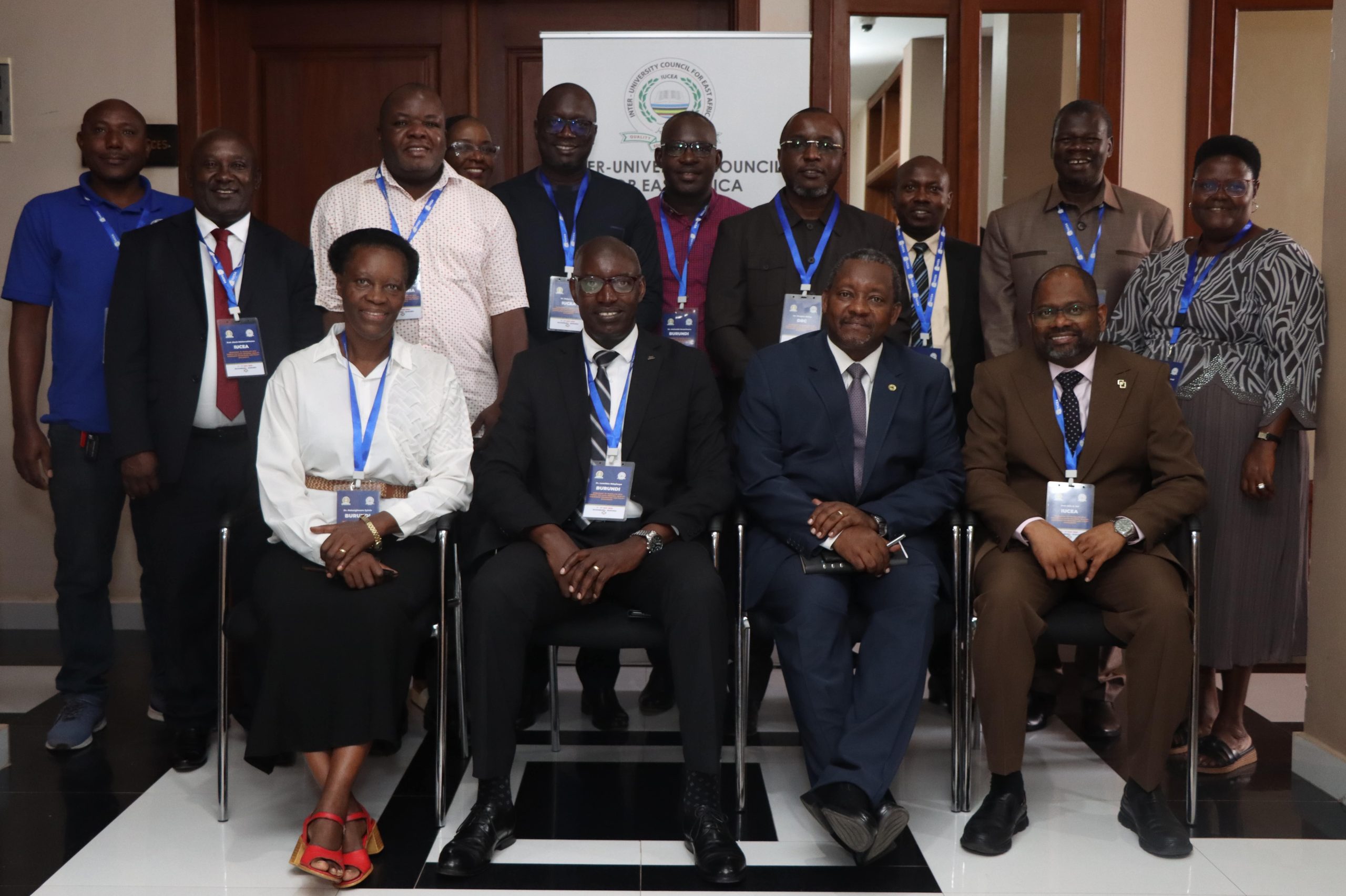
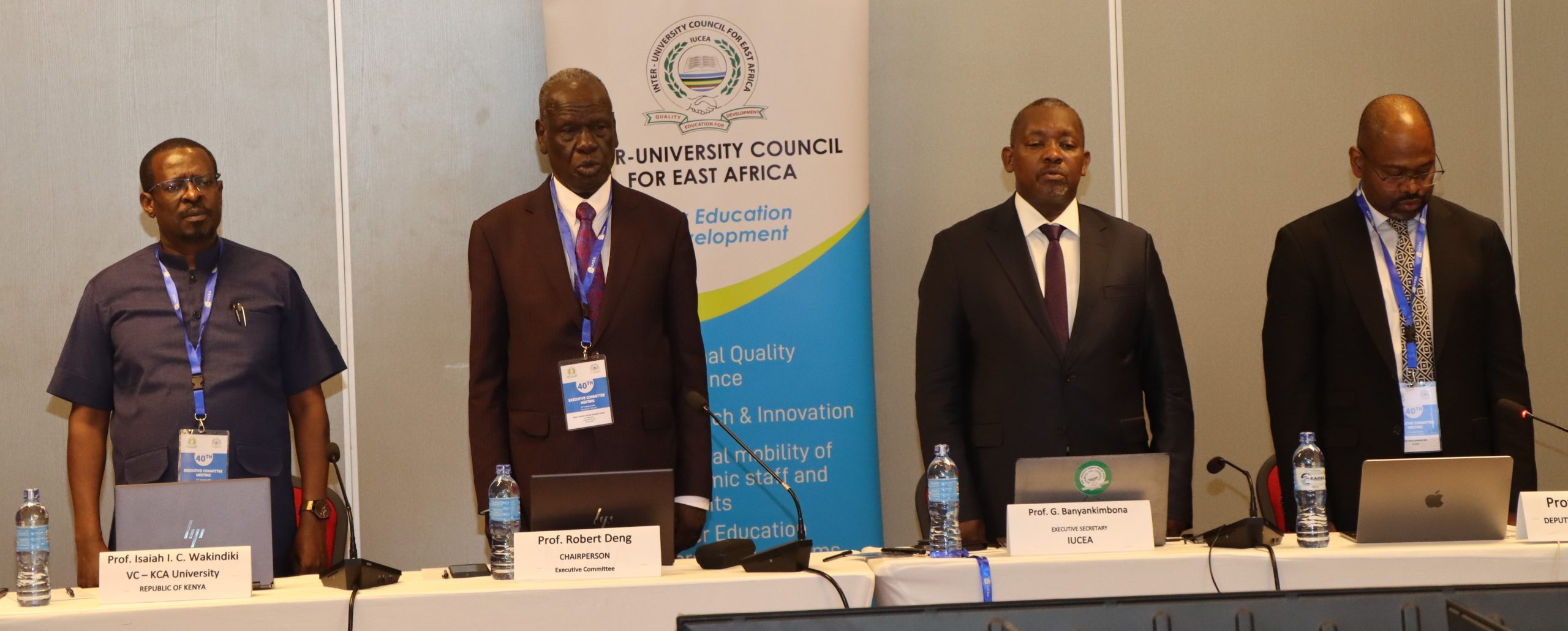
newly elected Executive Committee Chair Prof. Robert Mayom, and Deputy Executive Secretary, Prof. Idris Rai on
18th of July 2024 at Imperial Plaza, Juba.

at Imperial Plaza, Juba-South Sudan.

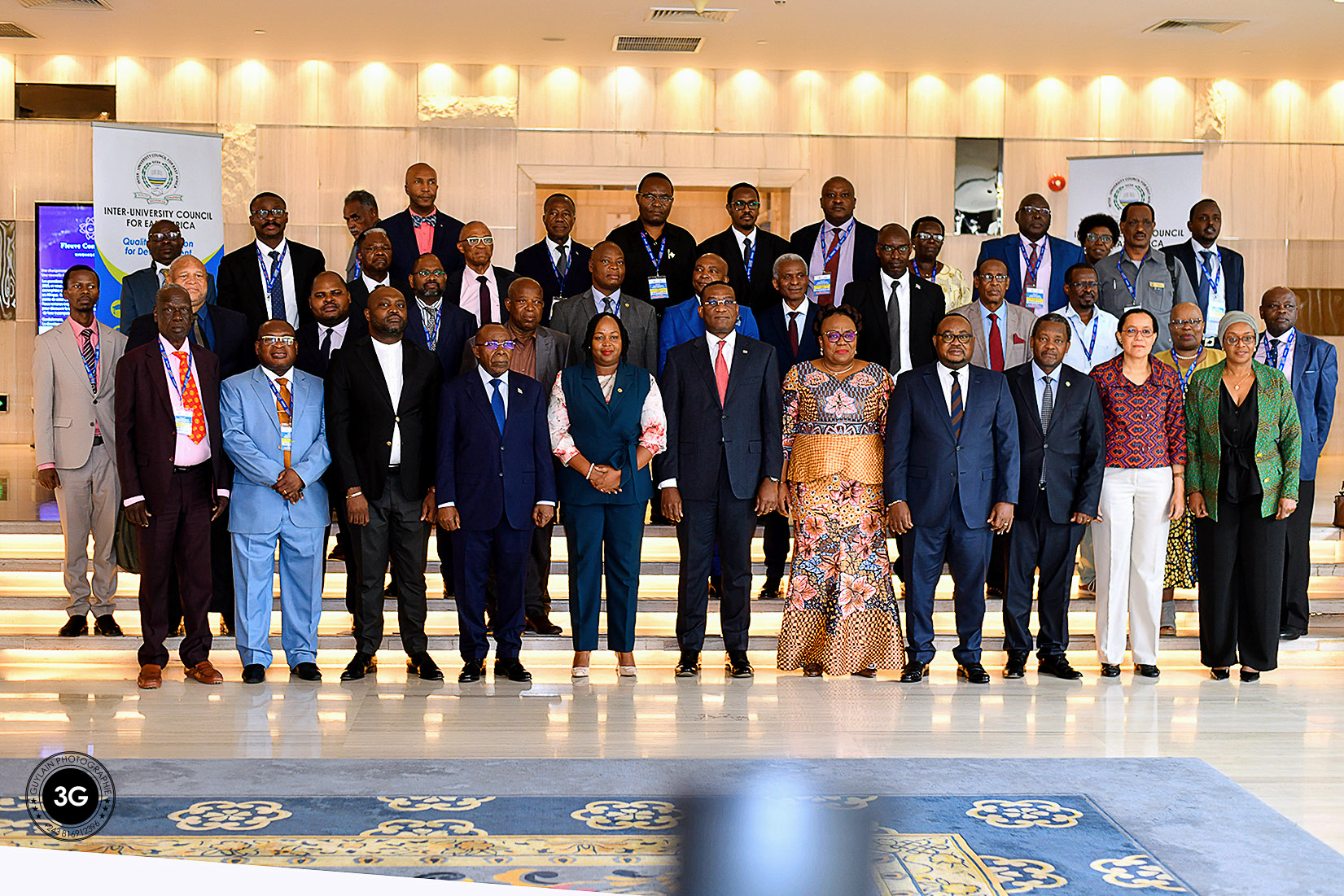
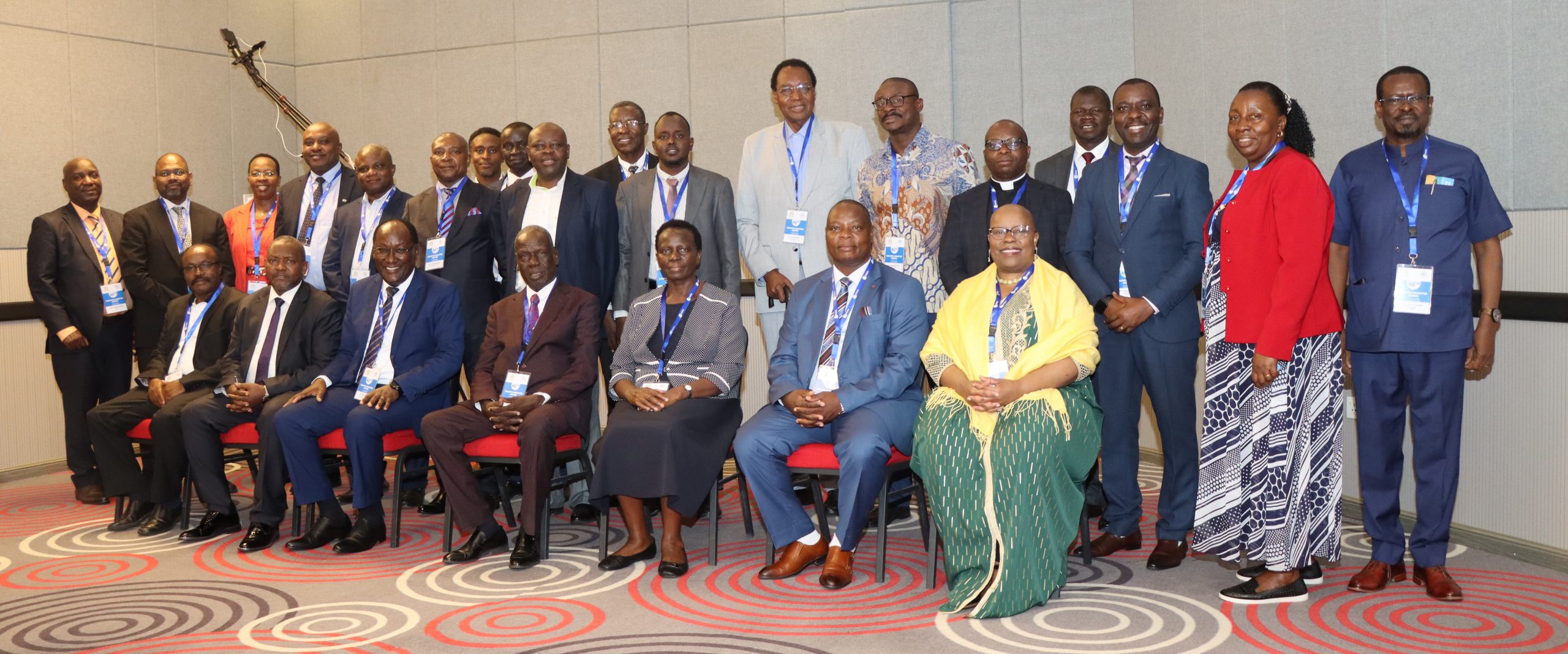
IUCEA Executive Secretary, Prof. Banyankimbona, Undersecretary Ministry of East African Community affairs, Juba and
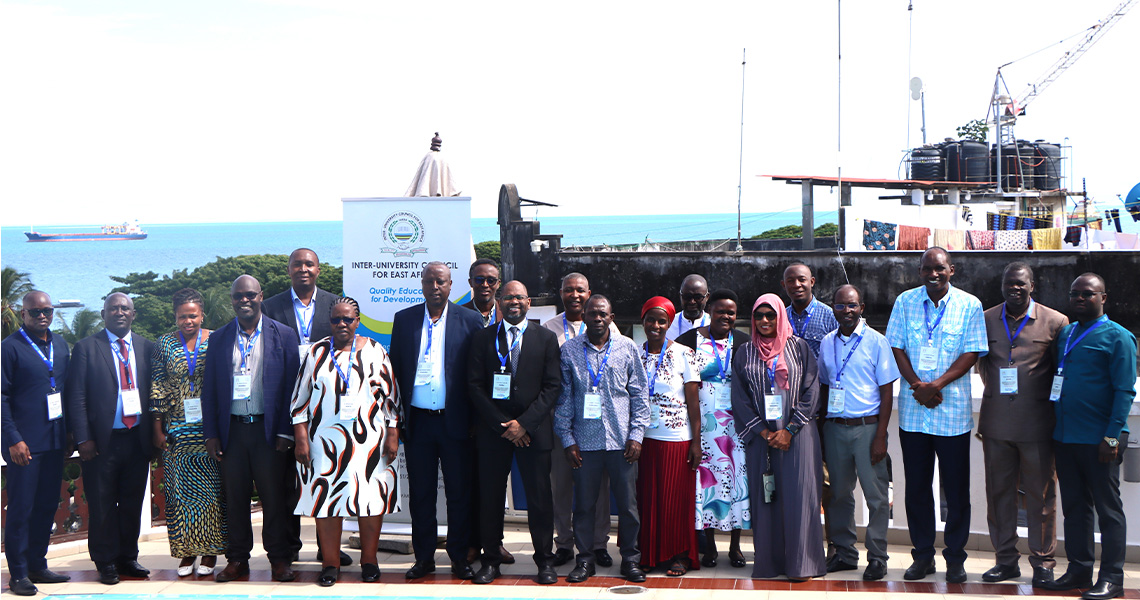
Higher Education Councils and Commissions representatives from EAC partner States on the 17th of July 2024 at Imperial Plaza,
Juba-South Sudan.

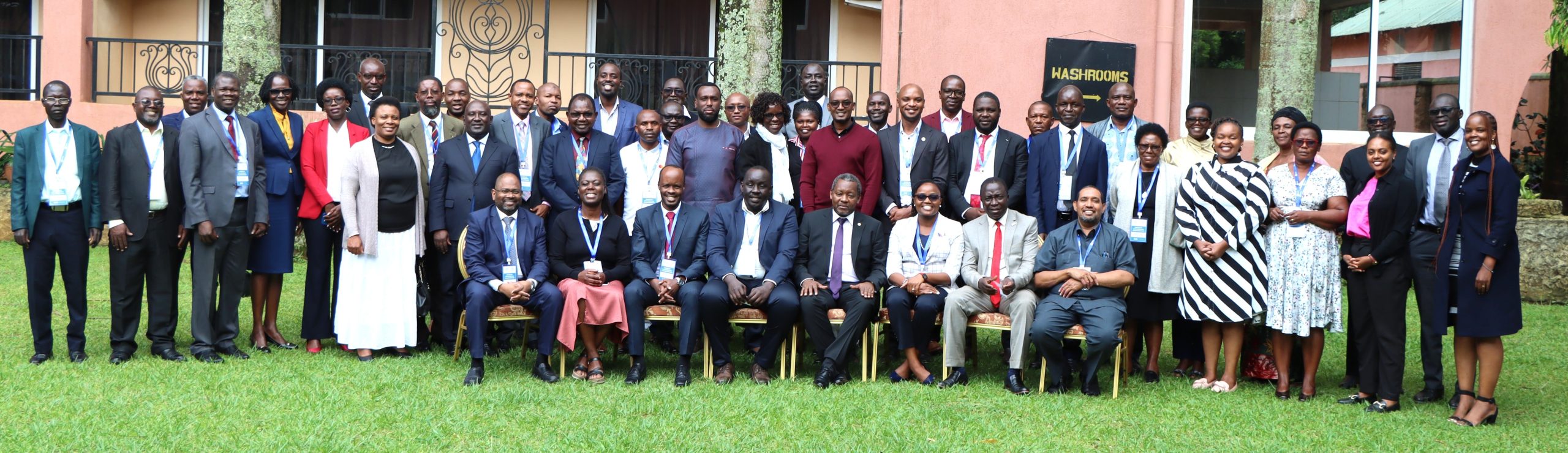
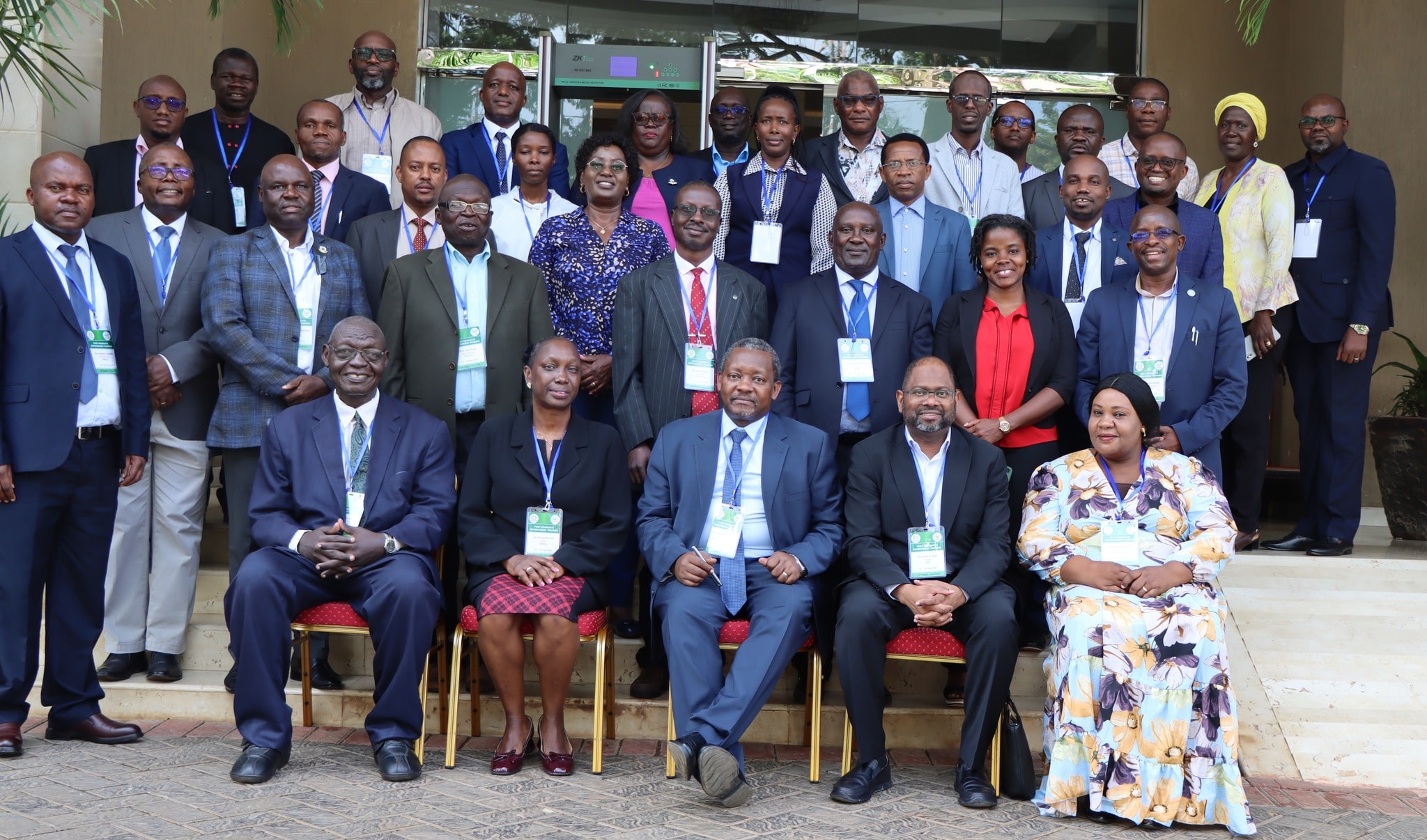
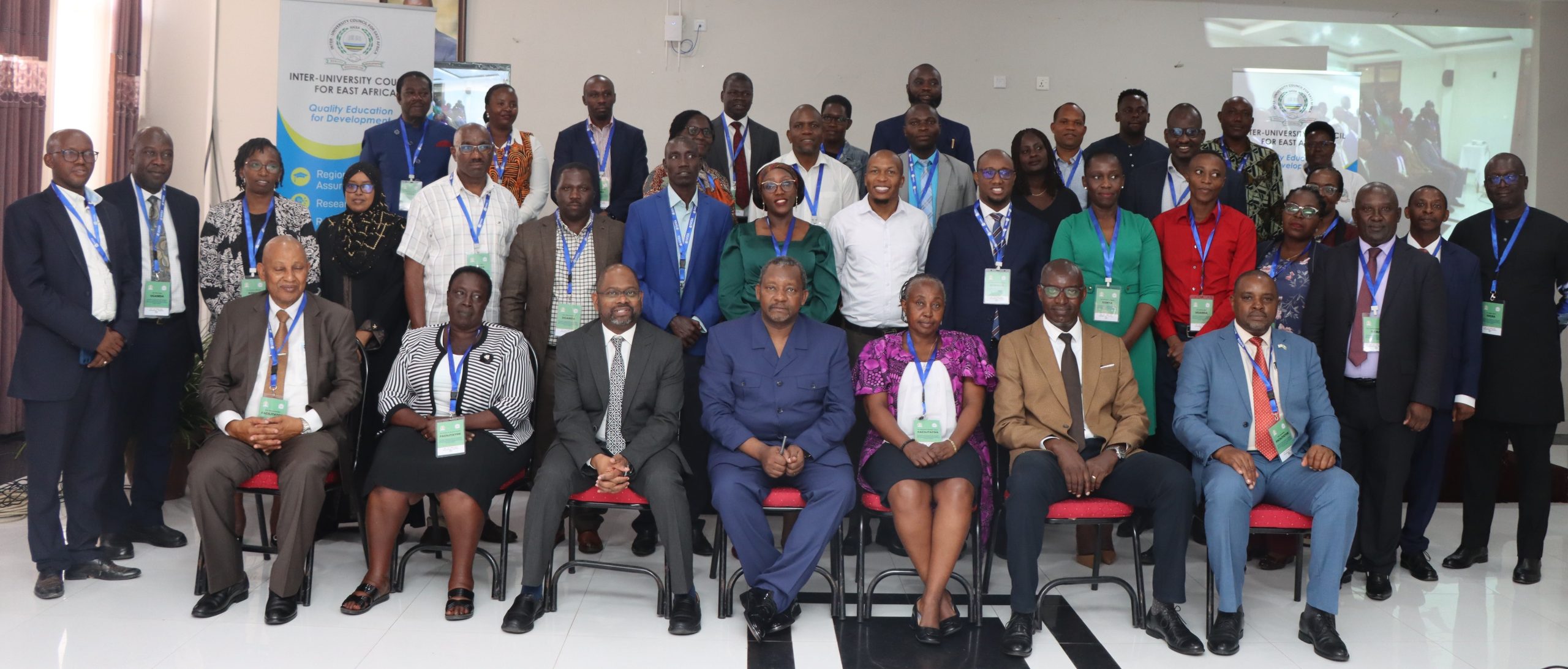
IUCEA Executive Secretary, Prof. Banyankimbona and Vice Chancellors of Universities from IUCEA member Universities
on the 17th of July 2024 at Imperial Plaza, Juba-South Sudan.

Tanzania during the Communication workshop in Malawi, Lilongwe on the 27th of May 2024

Burundi and Rwanda to Uganda on 19th of July 2023 at IUCEA Headquarters, Kyambogo.


educational experts during the EAC-SMS consultative meeting at Sarova Panafric Hotel, Nairobi on the 15th March 2024.

at Entebbe, Uganda.

in Bujumbura, Burundi.

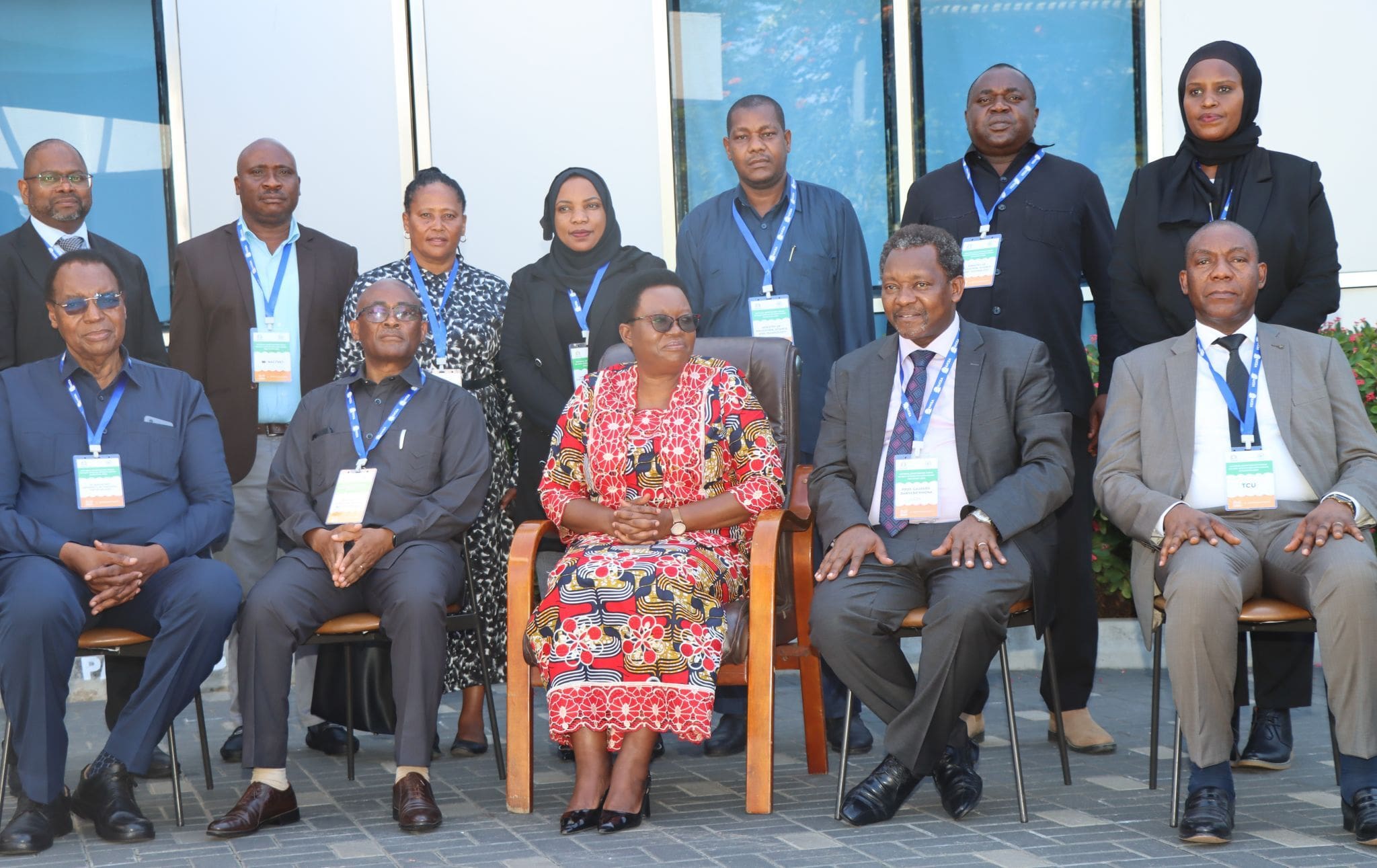
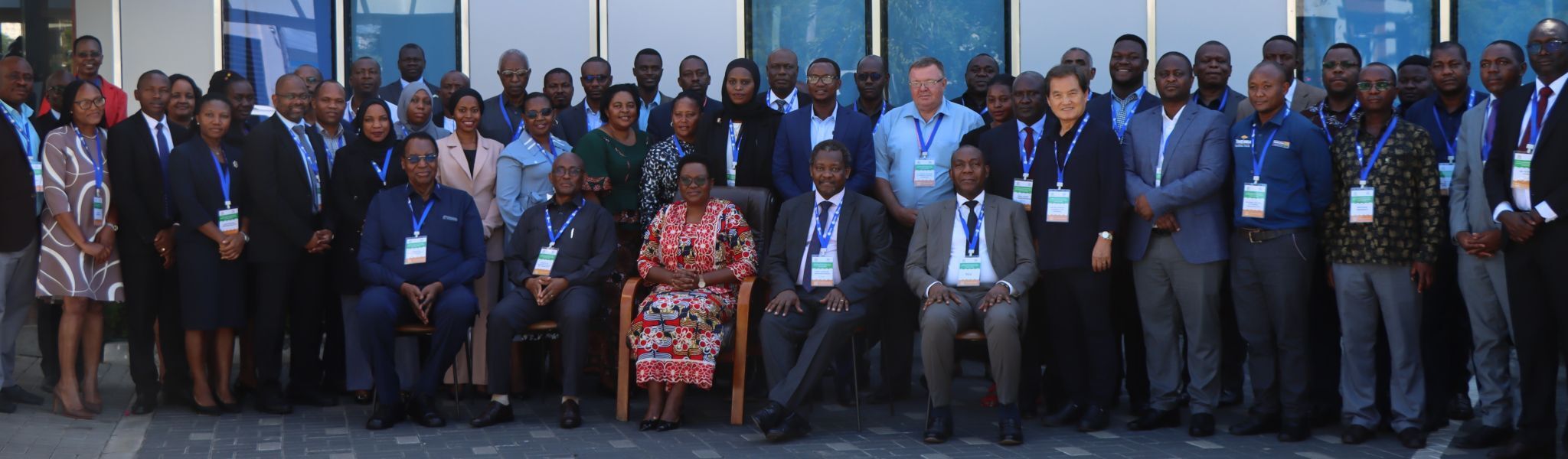
Dr. Margaret Mwakima (Centre) with Director, TVET, Ministry of Education, Science and Technology in Tanzania,
Dr. Noel Mbonde (Left) and Dr. Genene Abebe (Right), the Chairperson, the Technical Working Group
after signing a communique to adopt the Regional TVET Qualifications Framework for the 3 countries.


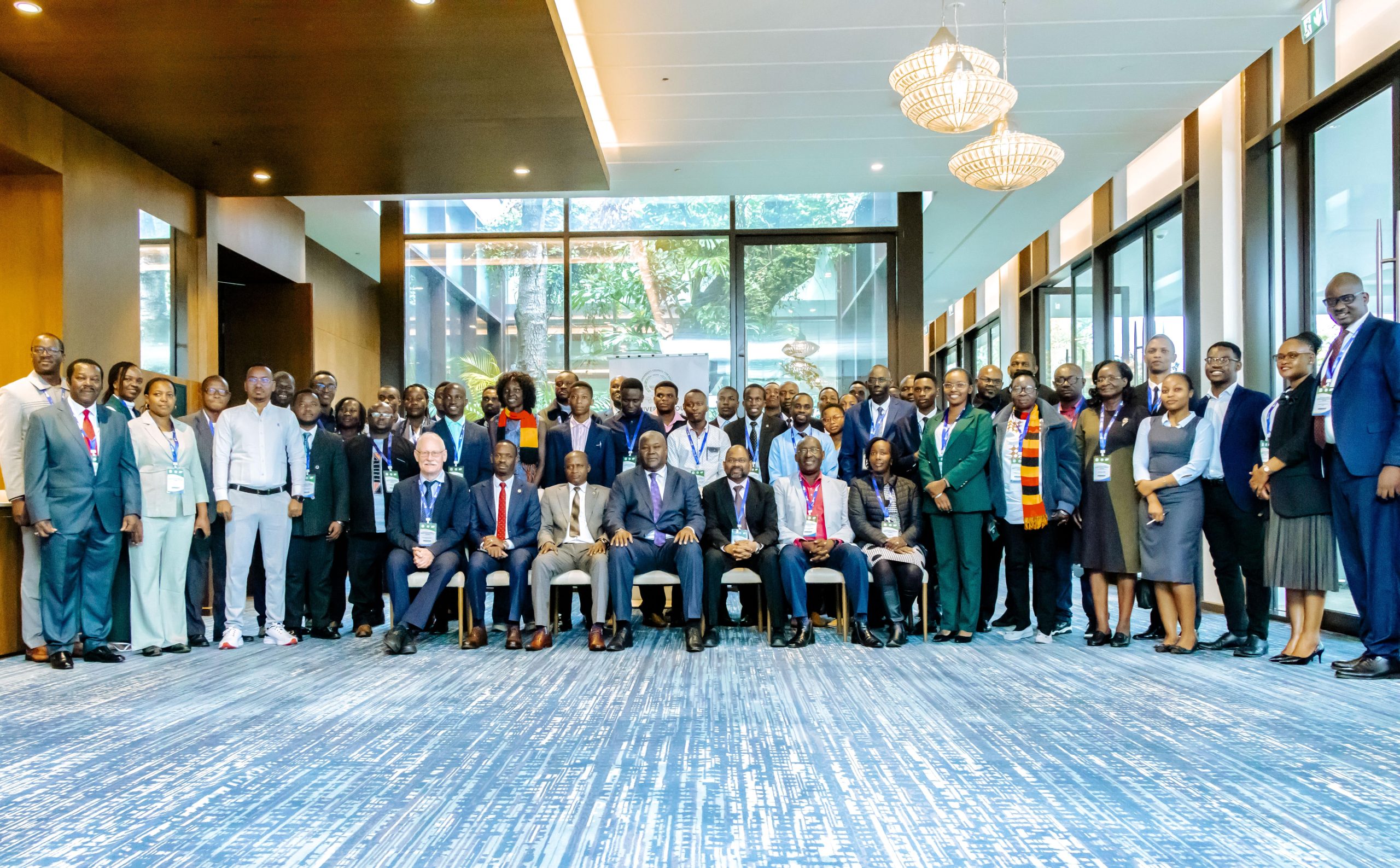
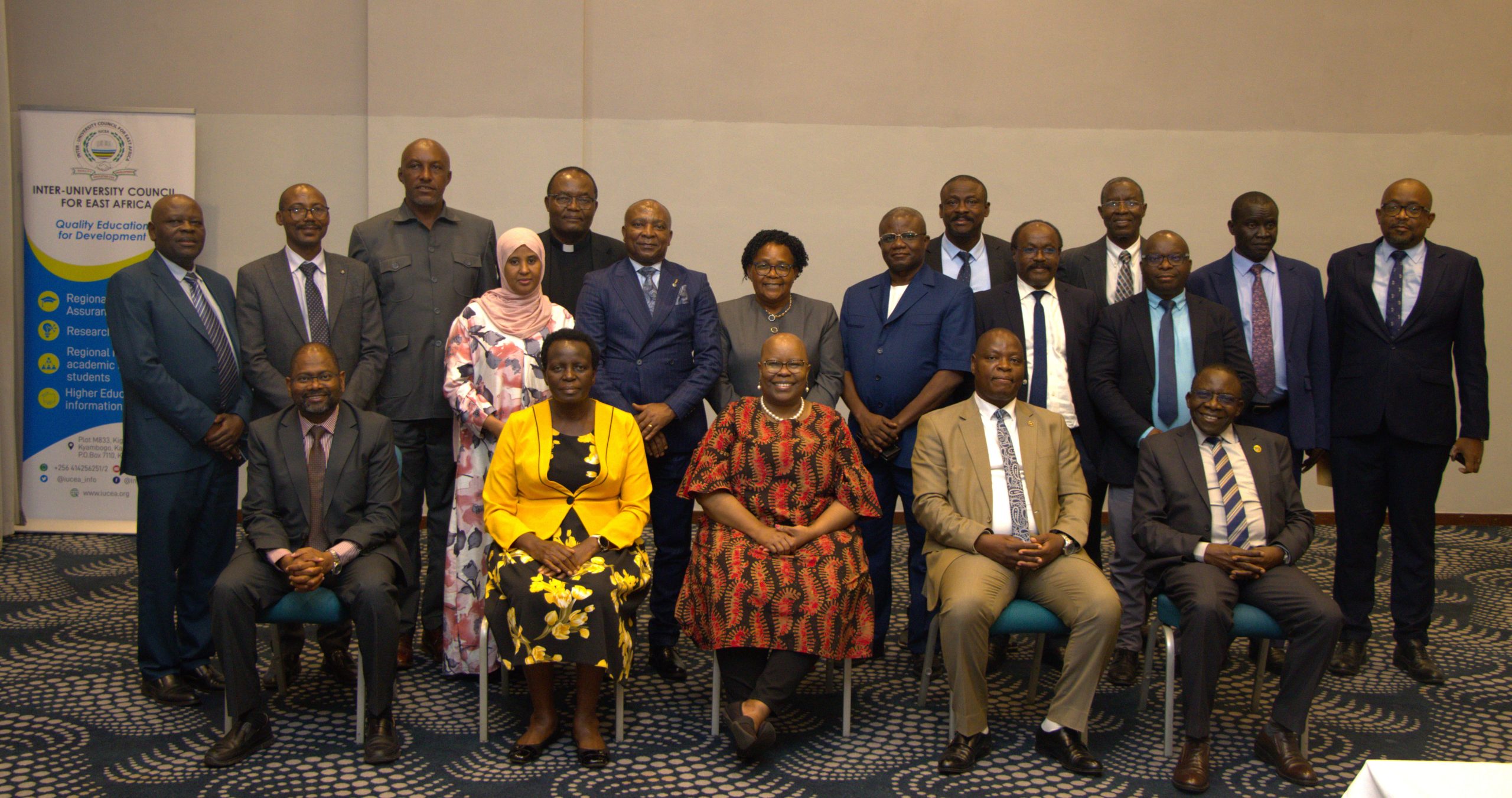
and Councils of Higher Education from EAC Partner States at the
IUCEA Annual Conference


- IUCEA’s Vision and Mission
- IUCEA Strategic Plan themes
- Act Establishing IUCEA
- Declaration of EAC as Common Higher Education Area
To become the leading EAC Institution for an exemplary Common Higher Education Area for a prosperous and sustainable East African Community
To encourage and develop mutually beneficial collaboration between Member Universities and between them and Governments and other organisations, both public and private
The objectives of IUCEA’s Strategic Plan 2021-2026 aim at furthering:
- Higher education sector coordination at the regional level by IUCEA.
- Regional harmonization of higher education systems, comprising the mutual recognition of qualifications and the mobility of staff, students, graduates, and professionals within the region and beyond.
- Professionalization of leadership and management of higher education institutions, resulting in outputs which drive the economic, social and ecological development in an integrated EAC.
- Adoption and utilization of technology at higher education institutions.
- Availability of integrated higher education information at IUCEA’s information portal.
- Dynamic interaction of knowledge generation, translation and realization processes for a sustainable Knowledge-Based Economy in the EAC. Readmore
The IUCEA Act, 2009
In 2009 the East African Legislative Assembly (EALA) enacted the IUCEA Act 2009, thus effectively integrating IUCEA into the EAC operational framework. The Act spells out the objectives, functions, institutional setup and systems of governance and management of IUCEA. According to the Act any university, university college, and degree awarding institution may apply for and get admitted to the IUCEA membership as long as it is properly incorporated in the EAC Partner State where it is operating and is pursuing objectives that are consistent with the functions of IUCEA as spelled out in the Act.
| 3232 downloads | 01-09-2022 9:33 | Download | 3.9 MB |
 Act establishing IUCEA Secretariat - Act 2009.pdf


PARTNERS


